Consumers at the core of fermented food innovation

Published: Sep 24, 2025 by FME Lab

Yesterday on September 23rd, about 100 participants from academia, industry, NGOs and policy makers across Europe had joined the second Stakeholder Forum of Horizon Europe #DominoEU project. Four speakers Pr. Jutta Roosen from the Technical Universty of Munich, Dr. Emmanuella Magriplis associate professor from the Agricultural University of Athens, Dr. Michail Syrpas associate professor at Kaunas University of Technology in Lithuania and Dr. Nikoletta Vidra Science Manager at Yakult Europe altogether spotlighted the central role of consumer research in advancing the field of fermented foods.
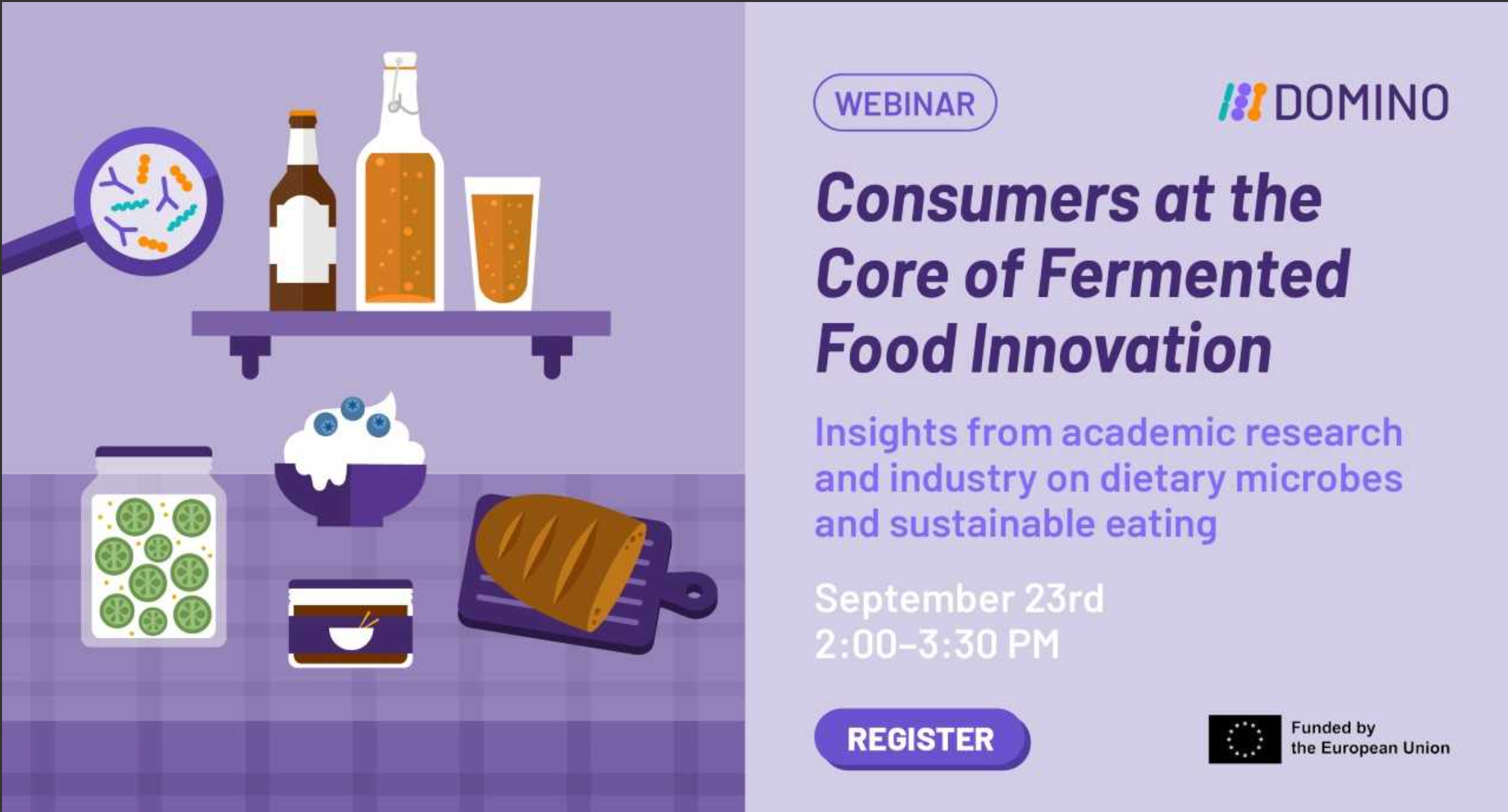
It was also the first presentations of the research in this field conducted within #DominoEU project and #Pimento ca20128 that showed how consumers, across European areas, show various profiles towards fermented food consumption and their subjective/objective knowledge of microbes performing the fermentation process. The results also highlight various behavior of consumers towards healthy or sustainable goals when these are associated with fermented food. A special thanks to the speakers and to the participants for the fruitful discussion.
Share

Latest Posts

New tool suite - Food Microbiome Metabolic Modules (F3M)

The FME team has published a new preprint in Open Research Europe entitled
“Food Microbiome Metabolic Modules (F3M): a tool suite for functional profiling of food microbiomes.”
Read the article

A successful outcome of the EMOVOL project

The EMOVOL project has come to an successful end: a fruitful collaboration between INRAE and Fleury Michon has led to the development of a method for characterizing the preservation potential of cooked poultry meat products based on microbial biomarkers in raw meat.

A seed meeting between INRAE Micalis Institute and Imperial College London

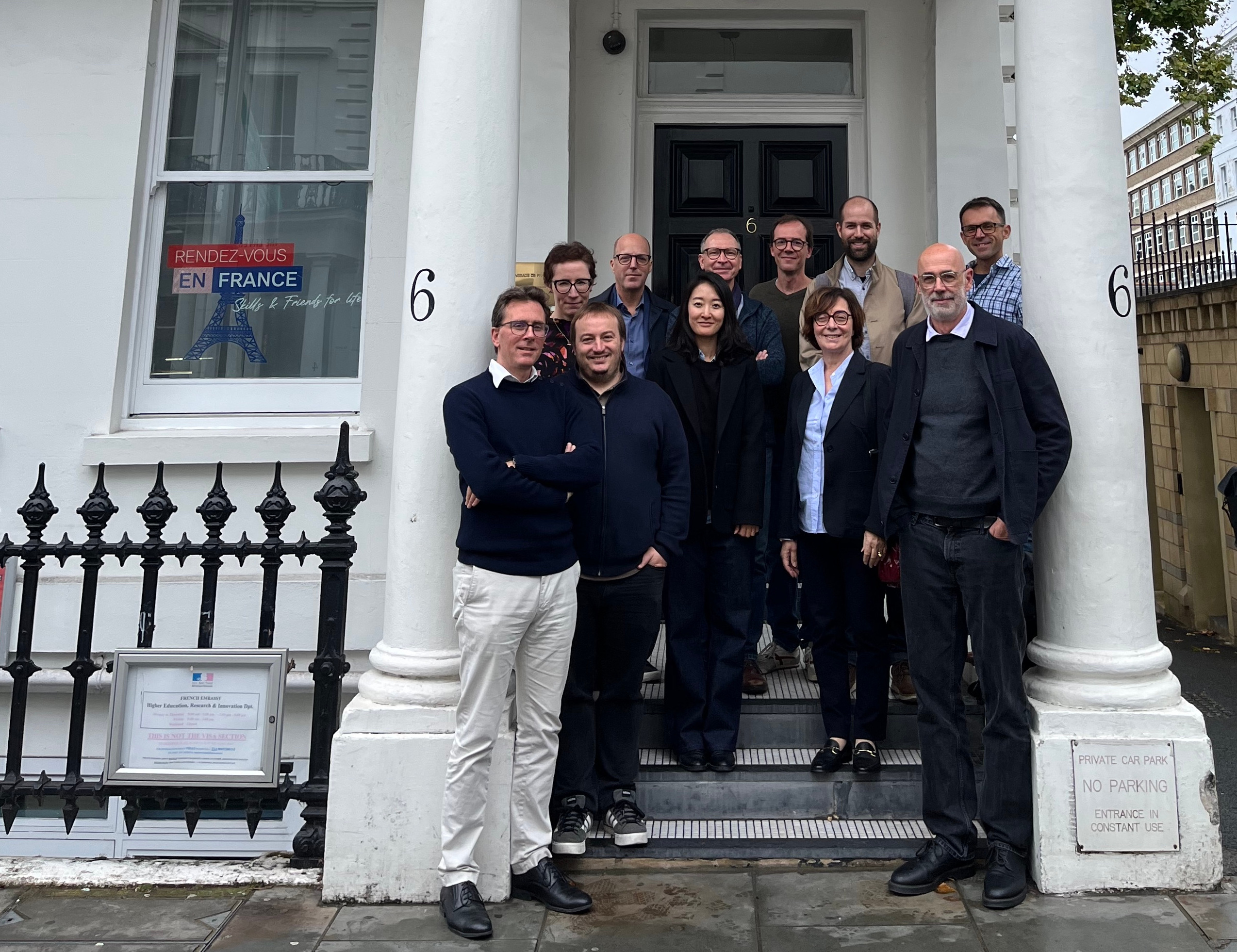
Last week on October 3rd, scientists from Imperial College London (ICL) and from INRAE Micalis Institute were hosted by the French embassy in London for a seed meeting around synthetic biology and synthetic microbial ecology as scientific strategies for biotechnology and food production. A special thanks to the organizer: Ludovic Drouin (French Embassy), Young-Kyoung Park (Micalis) and Rodriguo Ledesma-Amaro (ICL). Our several groups with complementary research discussed about perspectives of future collaborations on the field together with Ferment du Futur or Bezos Centre.