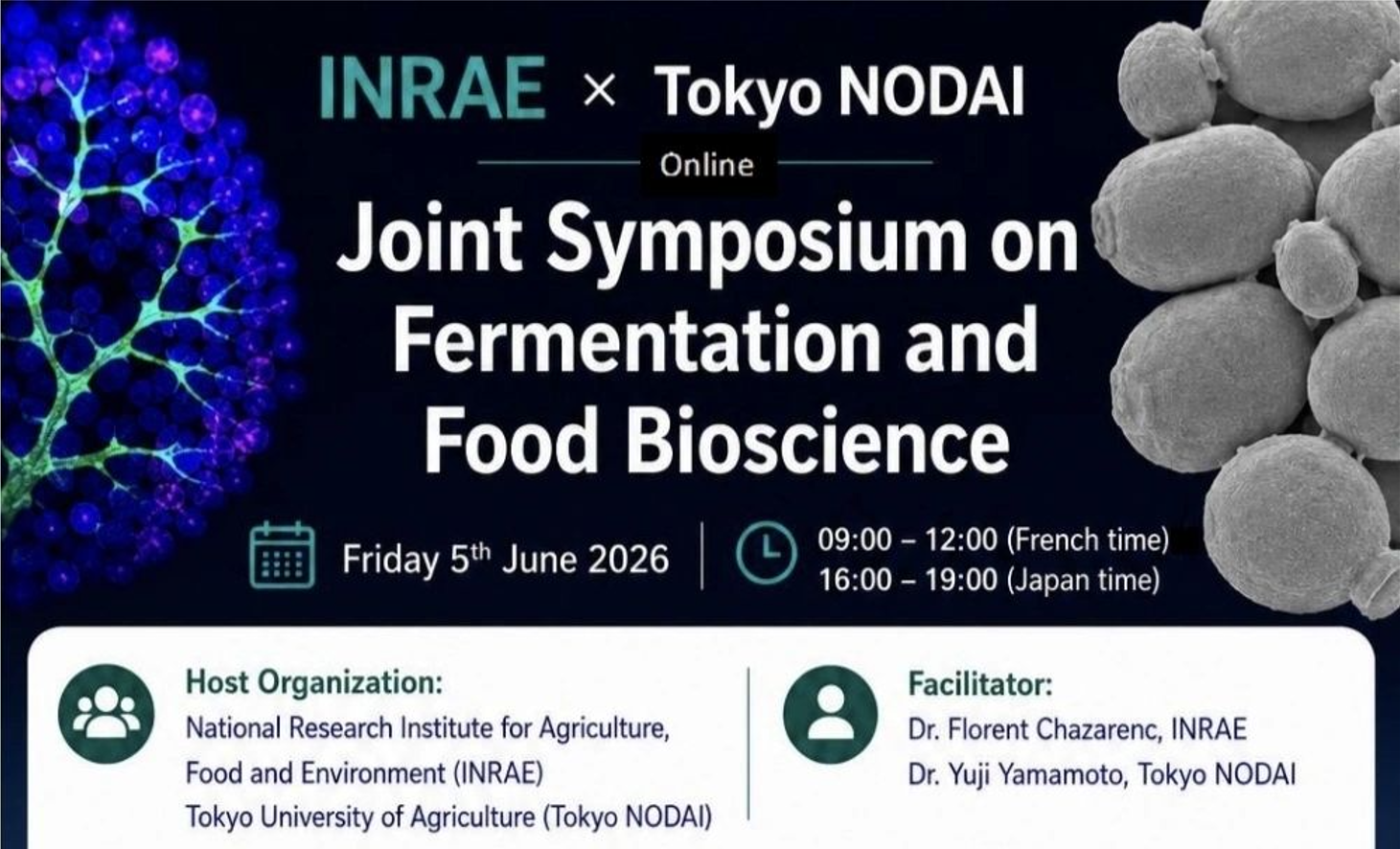
Explore the Health Benefits of Fermented Foods on World Microbiome Day with EUFIC

Published: Jun 27, 2024 by FME Lab

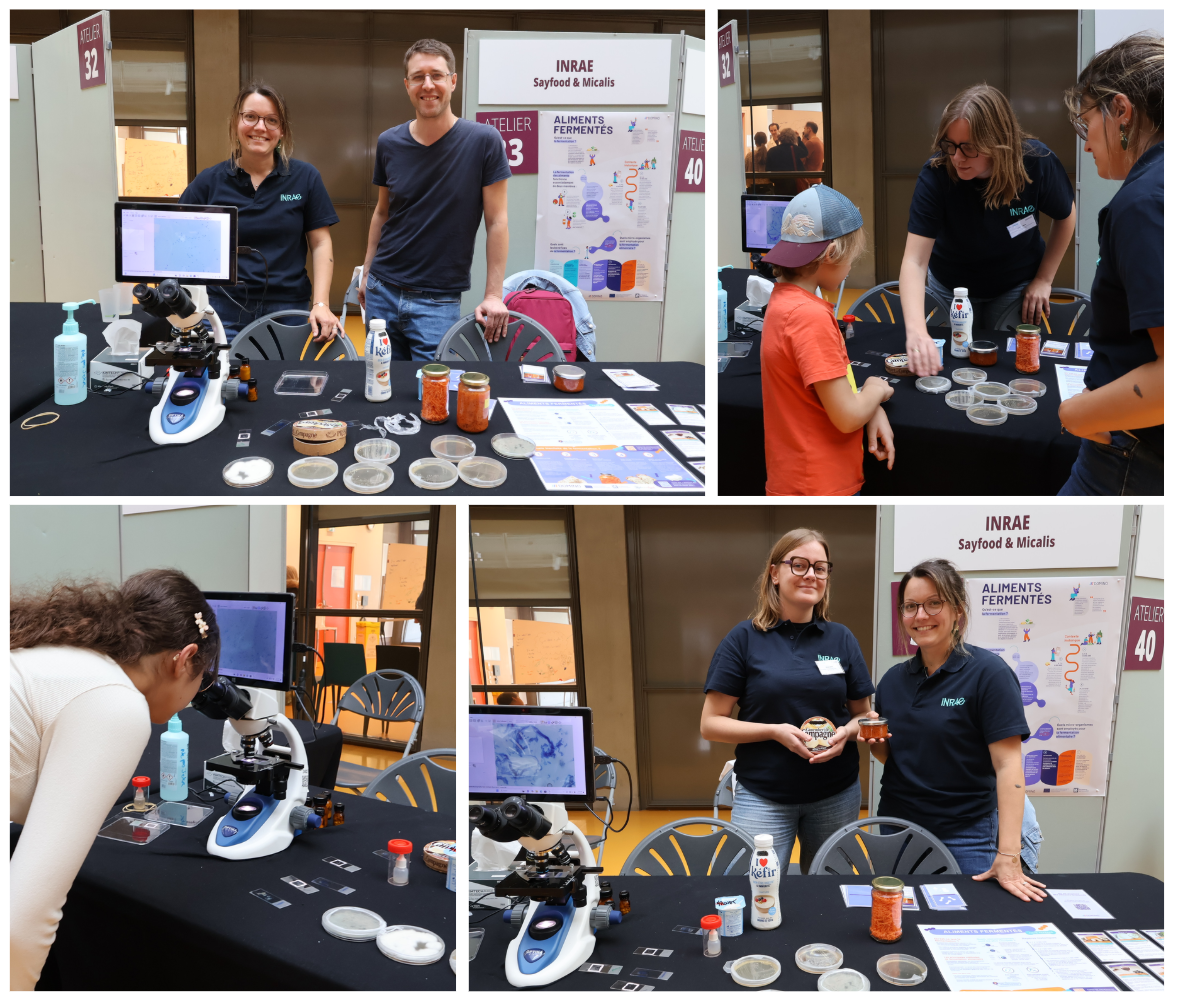
On #WorldMicrobiomeDay, Domino with EUFIC (European Food Information Council) has a mission to disseminate food microbiome science publicly.

While fermented foods like yogurt, kimchi, and kefir are widely enjoyed, their full health benefits are still being discovered. Key Insights from EUFIC:

▶️ Examples of fermented foods from around the globe

▶️ The difference between foods with living vs. non-living microbes

▶️ The most common processes of fermentation

▶️ The health benefits of fermented foods

▶️ The safety of consuming fermented foods

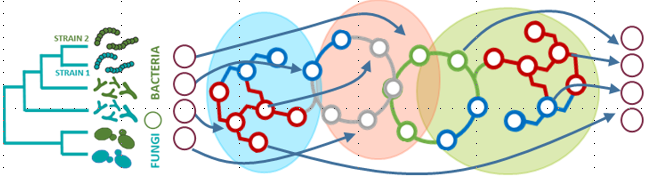
The mission of #DominoEU is to understand the role of food microbial diversity in modulating human health. Through our project case studies, we are investigating the possible health advantages of fermented foods such as milk kefir and table olives.

Read the full article to learn more: 🔗 Fermented foods: What are they, and what is their impact on our health?
Share

Latest Posts

DOMINO 3rd annual meeting in Madrid

After three years, the #DominoEU project has reached full speed, with significant results across all project objectives. The three-day meeting provided an opportunity to review the very busy year of 2025 and the many key findings that can be leveraged in the coming months.

DOMINO Workshop on F3M Food Microbiome Metabolic Modules at CSIC Madrid

The 14th of April 2026, teams from INRAE (MICALIS & MaIAGE) organised a hands-on workshop in Madrid at CSIC, focused on the F3M ecosystem (Food Microbiomes Metabolic Modules) and its associated tools for functional microbiome analysis.

FME at Bioket 2026 advancing synthetic microbial ecology for sustainable food

At the BIOKET (Bioeconomy Key Enabling Technologies) conference in Fribourg, Julien presented recent advances from the SynthPlex project, positioning synthetic microbial ecology as a core tool for next-generation fermented foods.