Exploring the Interconnected World of Microbiomes

Published: Jun 27, 2023 by FME Lab

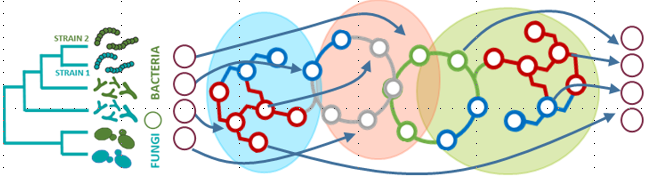
In our contribution to the last Microbiome Support CSA review, coordinated by A. sessitch and T. Kostic1, we reveal the critical roles of microbiomes in maintaining ecosystem health and their extensive interconnectivity across different environments. These diverse microbial communities are exchanged constantly, affecting everything from climate regulation to human health.

While some transfer events may be harmful, such as the spread of pathogens, our study highlights the significant positive impacts of microbiome exchange. Transferred microbes can introduce novel functions beneficial for ecosystem adaptation and human health.

Advanced sequencing technologies now allow us to rapidly examine these complex microbiomes and trace the transmission of individual strains. We argue for a holistic approach to fully comprehend the dynamics of microbiome transfers and their far-reaching implications.

Acknowledging this microbiome interconnectedness can lead to novel strategies for improving health and planetary wellbeing. It’s a fascinating, interconnected world out there, and microbiomes are playing an integral part. Let’s not overlook them!

  1. Sessitsch A, Wakelin S, Schloter M, et al. Microbiome Interconnectedness throughout Environments with Major Consequences for Healthy People and a Healthy Planet. Microbiol Mol Biol Rev. 2023;e0021222. doi:10.1128/mmbr.00212-22 

Share

Latest Posts

From “synthetic” to defined microbial communities for clearer terminology

Stéphane Chaillou participated in a joint reflection with a group of international researchers, coordinated by the Austrian Institute of Technology (AIT), on the terminology used to describe certain microbial communities. The collective of experts proposes replacing the term “synthetic community” (or SynCom), sometimes perceived negatively, with “Defined Microbial Community”.

Harnessing gut microbiome diversity for next-generation fermented foods

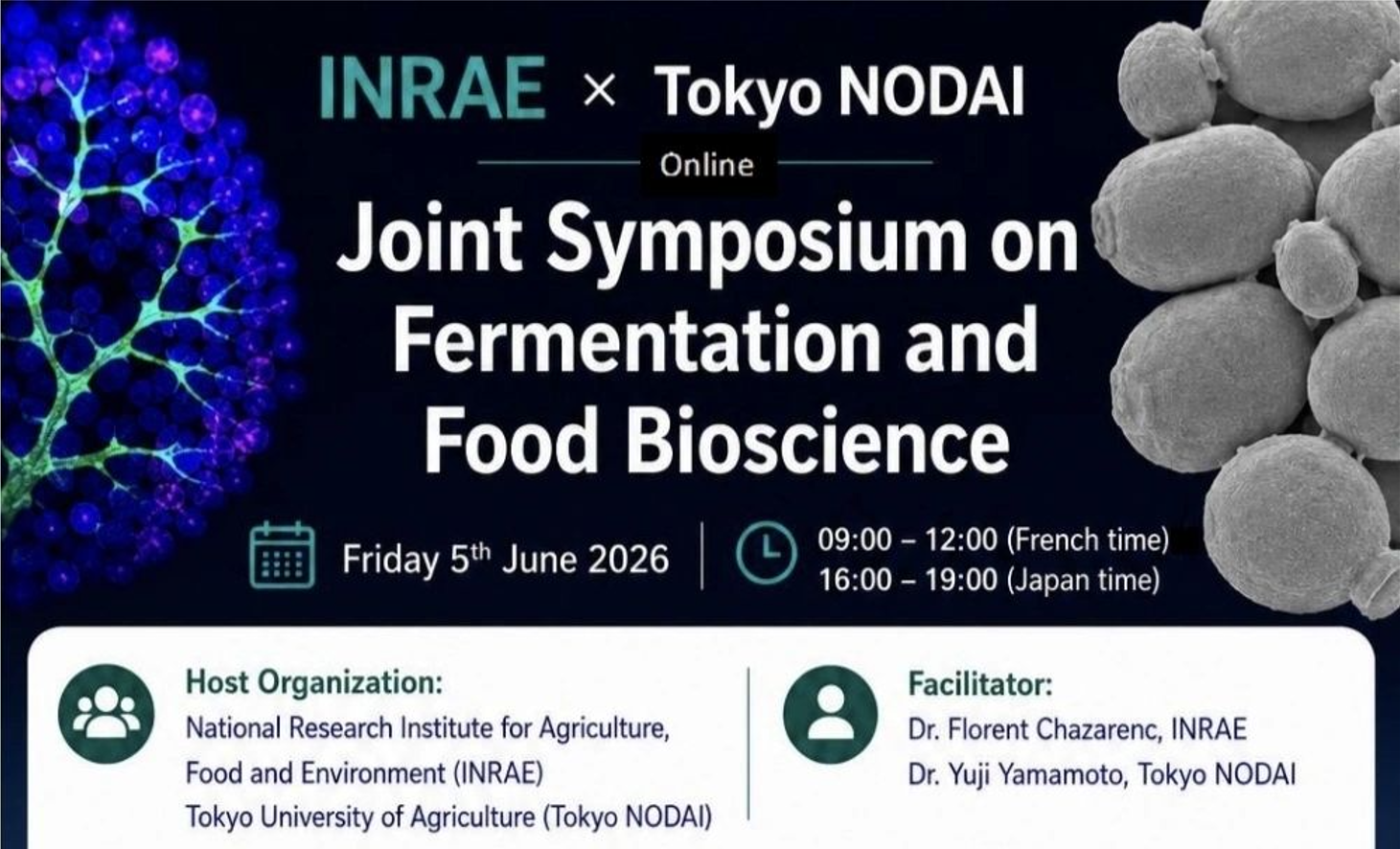
On June 5, 2026, Julien Tap participated in the INRAE-Tokyo NODAI Joint Symposium on Fermentation and Food Bioscience. This online event brought together researchers from INRAE and the Tokyo University of Agriculture to discuss fermentation microbiology, food bioscience, taste, and microbiome-based approaches to health. More than 100 participants attended the symposium, most of them Japanese students, highlighting the strong interest of the next generation in fermentation and microbiome science.

DOMINO 3rd annual meeting in Madrid

After three years, the #DominoEU project has reached full speed, with significant results across all project objectives. The three-day meeting provided an opportunity to review the very busy year of 2025 and the many key findings that can be leveraged in the coming months.