+33 1 34 65 20 06
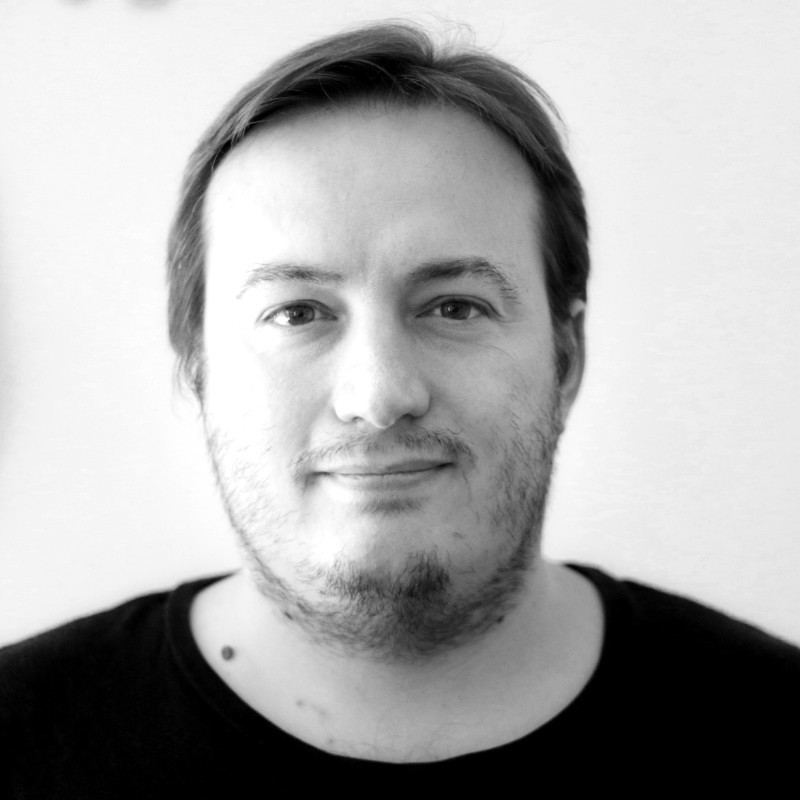
Julien Tap
Research Scientist
After several internships in microbiology at Institut Pasteur (Patrick Grimont, Philippe Glaser, Sylvain Brisse), Julien Tap went to Joel Doré’s Lab to do a PhD headed by Marion Leclerc (Jan 2007 to Dec 2009). His main project was to study dietary fiber impact on human gut microbiota using notably metagenomic and metatranscriptomic approaches.
Since his PhD, his research interest focused on interactions between nutrition, gut microbiota, and human health. This allowed him to work with different AP-HP clinicians like Pr Karine Clément and Pr Iradj Sobhani. As post-doc did at EMBL in Peer Bork’s group and at INRAE Metagenopolis unit (Joel Doré, Dusko Ehrlich), as well as Danone Research, he used several approaches like numerical ecology and machine learning technics to untangle big omics data with clinical and dietary data.
Julien is currently a research scientist at INRAE Micalis institute settled in Paris-Saclay campus, where he works on projects related to the interactions between food and human microbiomes in a nutrition and health perspective.
Selected publications
- Tap et al. Global branches and local states of the human gut microbiome define associations with environmental and intrinsic factors. 2023. Nature communications
- Tap et al. The Human Gut Microbiota in all its States: From Disturbance to Resilience. Comprehensive Gut Microbiota, Elsevier, pp.161-178, 2022.
- Tap et al. Diet and gut microbiome interactions of relevance for symptoms in irritable bowel syndrome. 2021. Microbiome
- Tap et al. Identification of an intestinal microbiota signature associated with severity of irritable bowel syndrome. 2017. Gastroenterology
- Tap et al. Gut microbiota richness promotes its stability upon increased dietary fibre intake in healthy adults . 2015. Environmental microbiology
Last related news
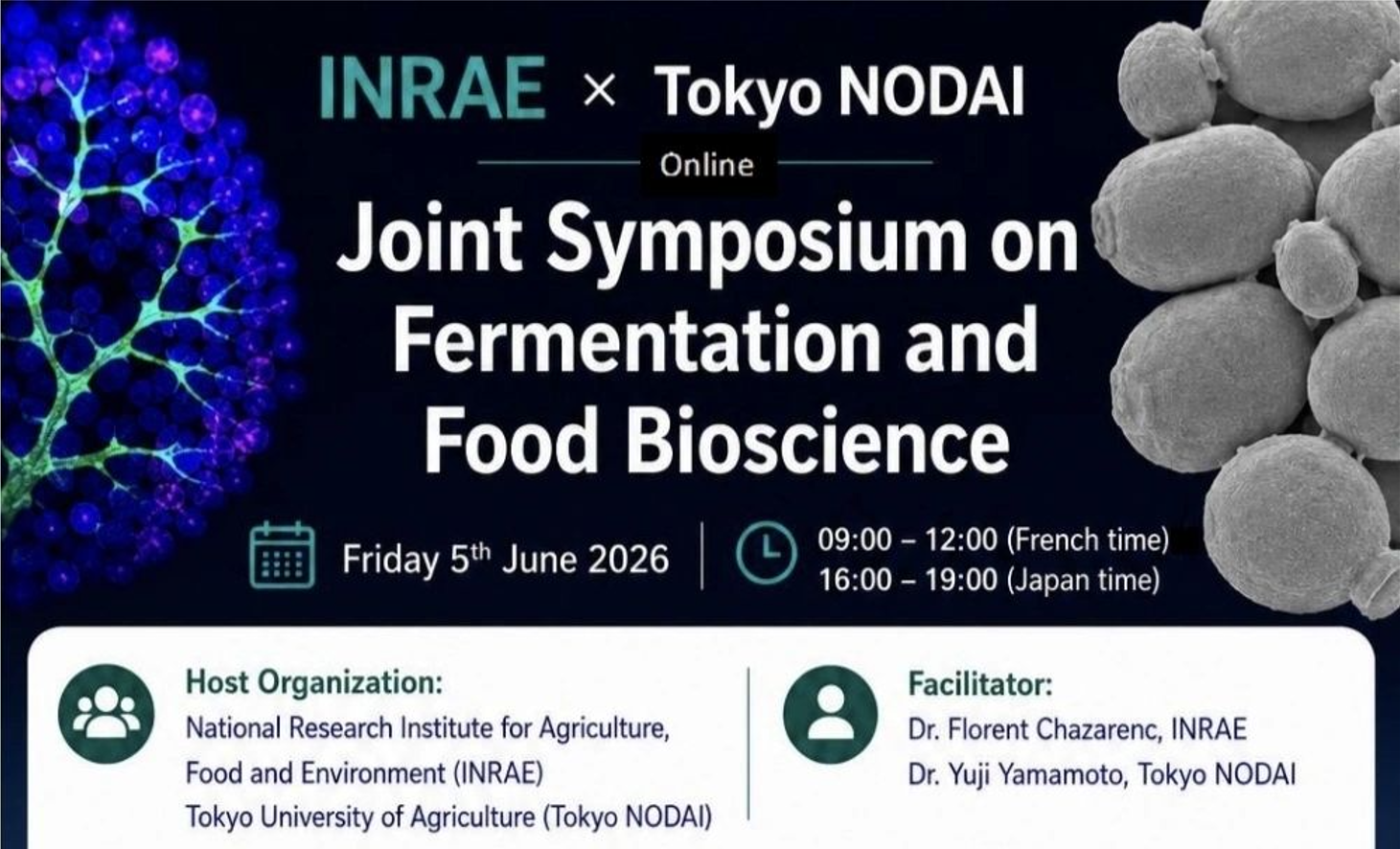
INRAE Tokyo NODAI Joint Symposium on Fermentation and Food Bioscience
Jun 05, 2026
On June 5, 2026, Julien Tap participated in the INRAE-Tokyo NODAI Joint Symposium on Fermentation and Food Bioscience. This online event brought together researchers from INRAE and the Tokyo University of Agriculture to discuss fermentation microbiology, food bioscience, taste, and microbiome-based approaches to health. More than 100 participants attended the symposium, most of them Japanese students, highlighting the strong interest of the next generation in fermentation and microbiome science.
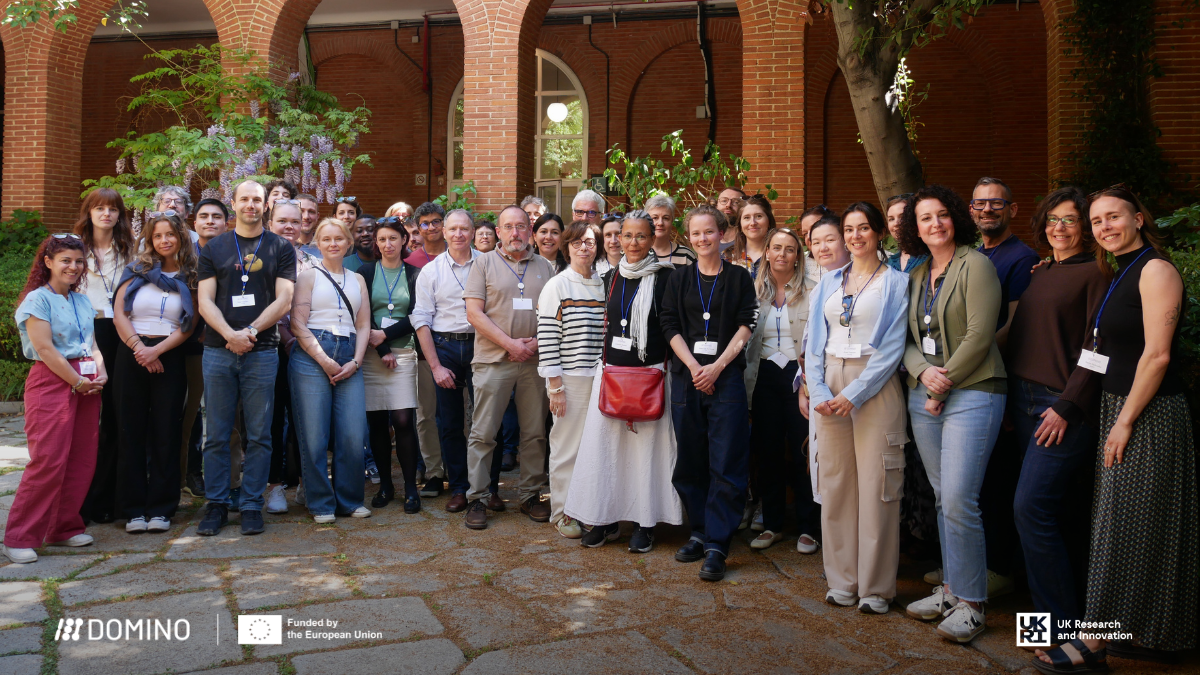
DOMINO 3rd annual meeting in Madrid
Apr 20, 2026
After three years, the #DominoEU project has reached full speed, with significant results across all project objectives. The three-day meeting provided an opportunity to review the very busy year of 2025 and the many key findings that can be leveraged in the coming months.
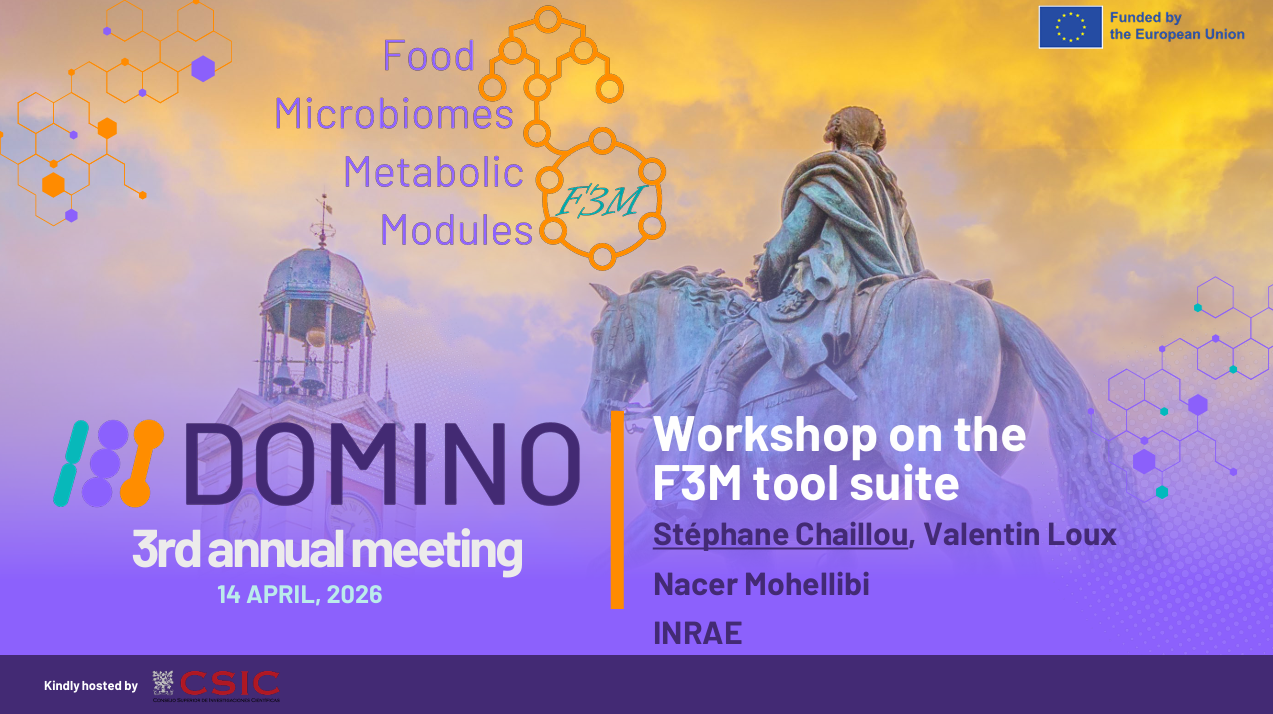
DOMINO Workshop on F3M Food Microbiome Metabolic Modules at CSIC Madrid
Apr 14, 2026
The 14th of April 2026, teams from INRAE (MICALIS & MaIAGE) organised a hands-on workshop in Madrid at CSIC, focused on the F3M ecosystem (Food Microbiomes Metabolic Modules) and its associated tools for functional microbiome analysis.