Published: Nov 1, 2025 by FME Lab
The EMOVOL project has come to an successful end: a fruitful collaboration between INRAE and Fleury Michon has led to the development of a method for characterizing the preservation potential of cooked poultry meat products based on microbial biomarkers in raw meat.
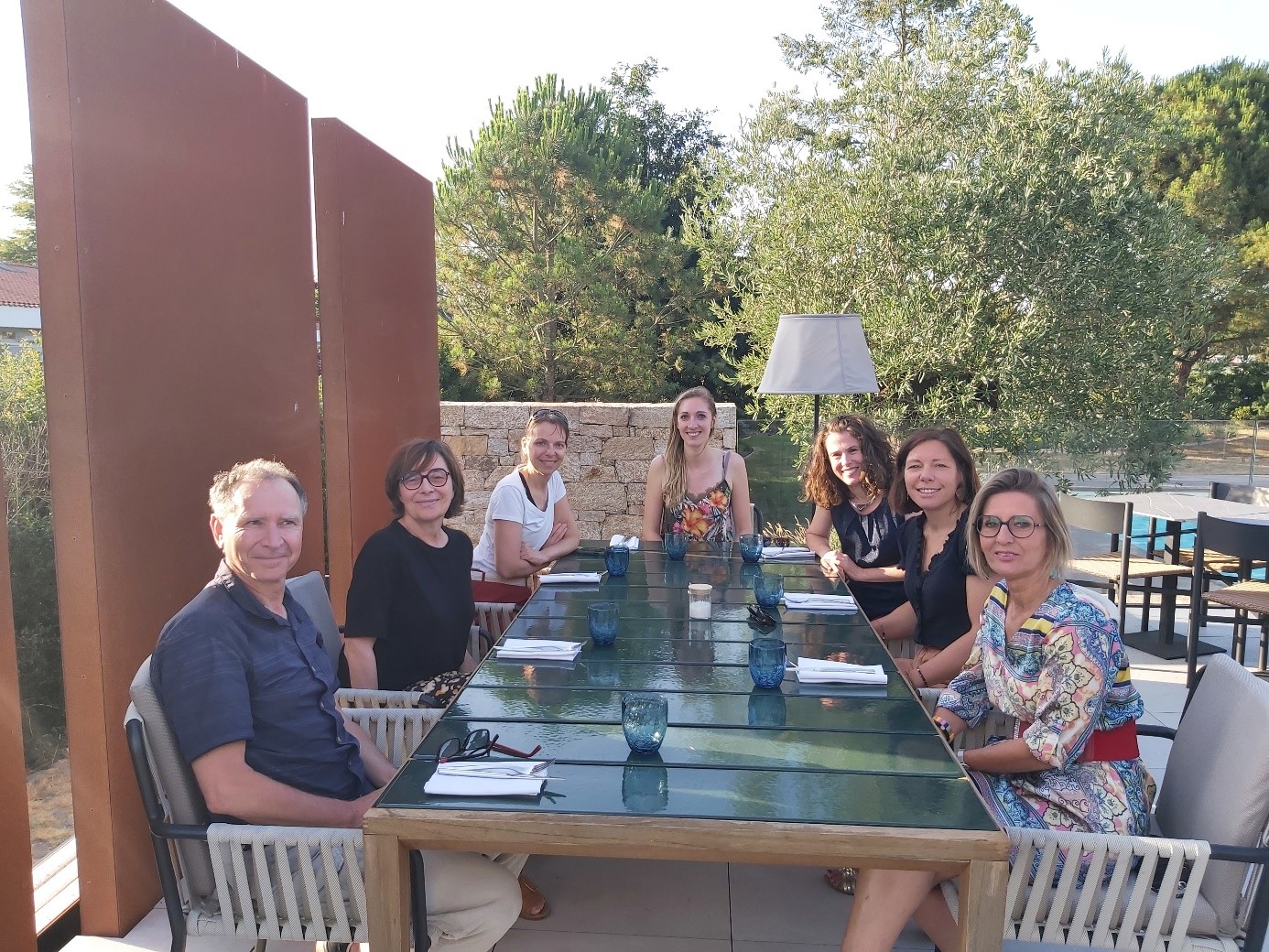
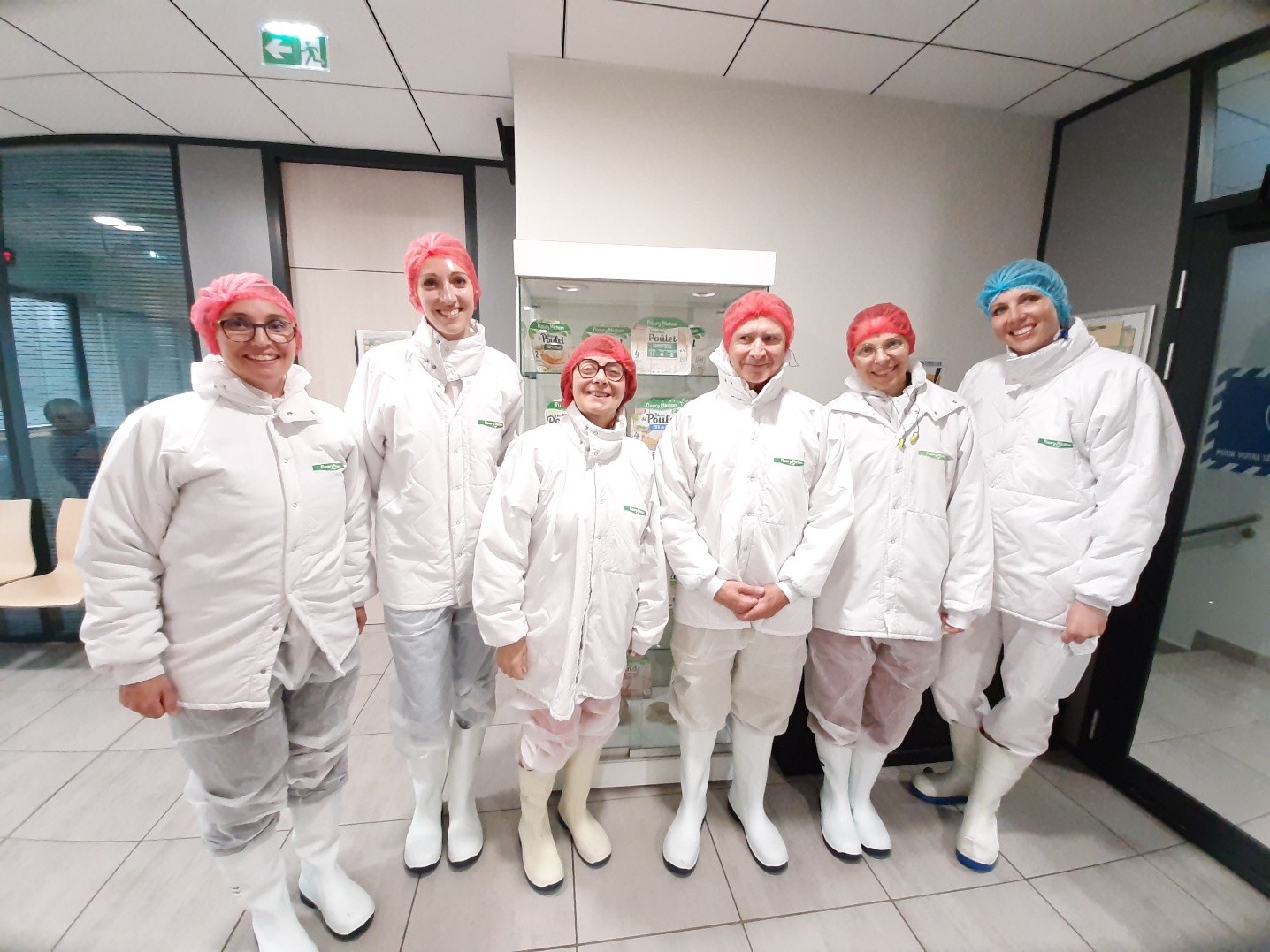
On 2 July 2025, the closing meeting of the EMOVOL (Molecular Ecology of Processed Poultry Meat) project was held at the Fleury Michon site in Pouzauges.
This project, which began in 2020, ran for five years (one year of set-up and four years of implementation). It followed on from an initial collaboration between the FME (Microbial Ecology of Food) team at the MICALIS institute, INRAE Jouy en Josas and Fleury Michon, which began in 2017 as part of Marine Zagdoun’s CIFRE thesis. Marine was hired by Fleury Michon after completing her thesis to carry out this new project.
A scientific approach serving industrial innovation
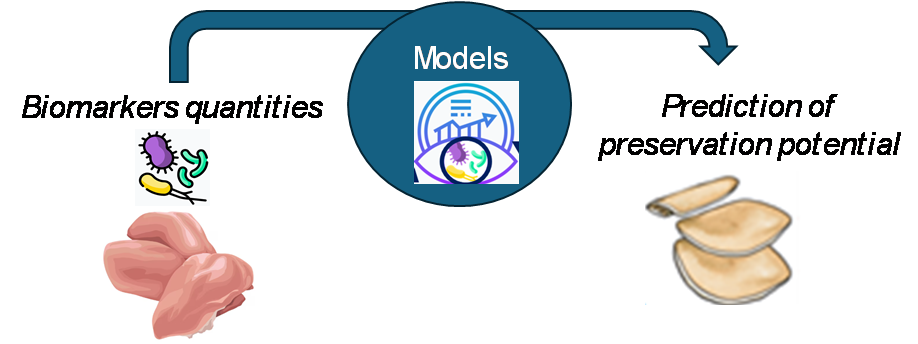
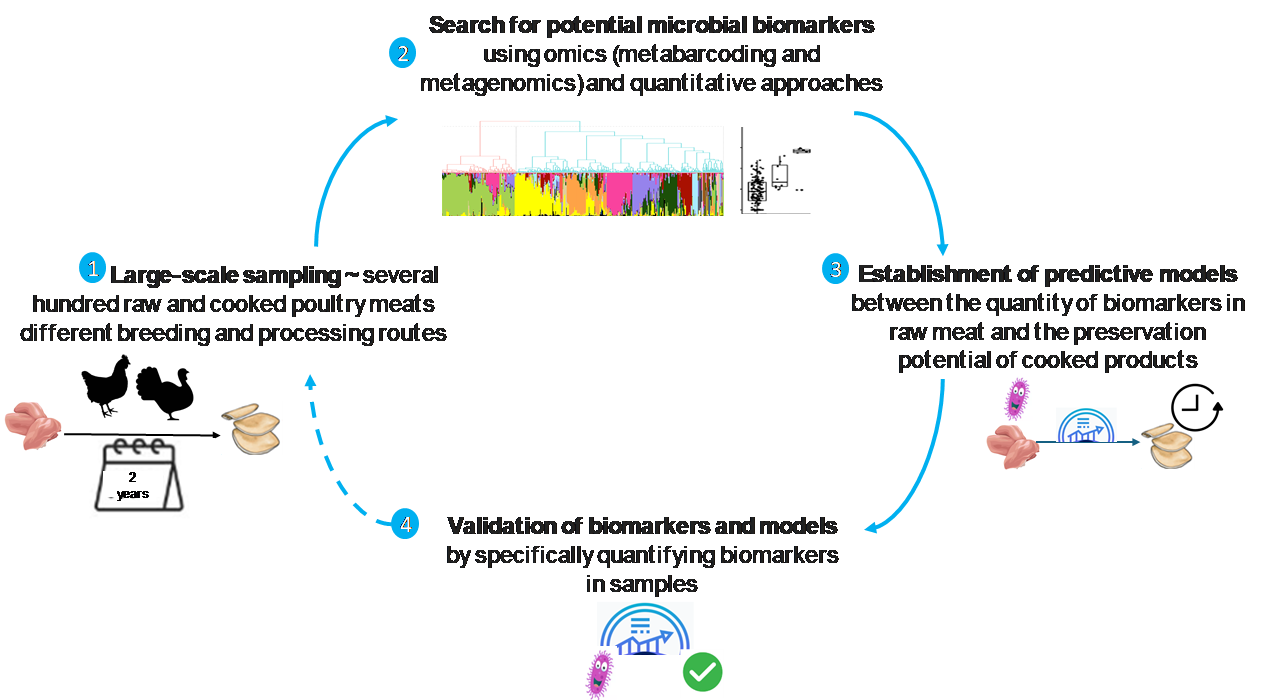
The aim of this ambitious project was to develop a method for assessing the preservation potential of batches of cooked processed poultry meat by quantifying certain microbial biomarkers present in the raw meat used to produce these same batches.
It was carried out in four stages:
Success driven by complementary expertise in research and industry
The expertise of the FME team, combined with Fleury Michon’s industrial know-how, was a major asset in developing a prototype conservation management tool designed to monitor and optimise processing routes to ensure proper product preservation. In this context, INRAE researchers contributed their knowledge of food microbiomes and their expertise in large-scale data processing, while Fleury Michon provided precise and essential knowledge of the entire production process, as well as expertise in microbiology and modelling.
An innovative solution deployed within the company
Committed to meeting consumer expectations in terms of naturalness and environmental friendliness, Fleury Michon strives to reduce salt, preservatives and packaging in its products. Although these changes are virtuous, they can impact sensory quality over time: taste, texture and, in particular, shelf life. This therefore requires precise monitoring of the microbiological quality of products.
To meet this challenge, Fleury Michon is rolling out an innovative solution, the result of a collaborative effort with INRAE: a method for characterizing the shelf life of cooked poultry charcuterie based on microbial biomarkers in raw meat. This method makes it possible to accurately monitor the quality of raw materials, guide manufacturing choices and guarantee the proper preservation of products.
This partnership has thus led to a scientific innovation applied to industry that is in line with INRAE’s mission to support its partners in co-developing concrete solutions for healthier and more sustainable food.