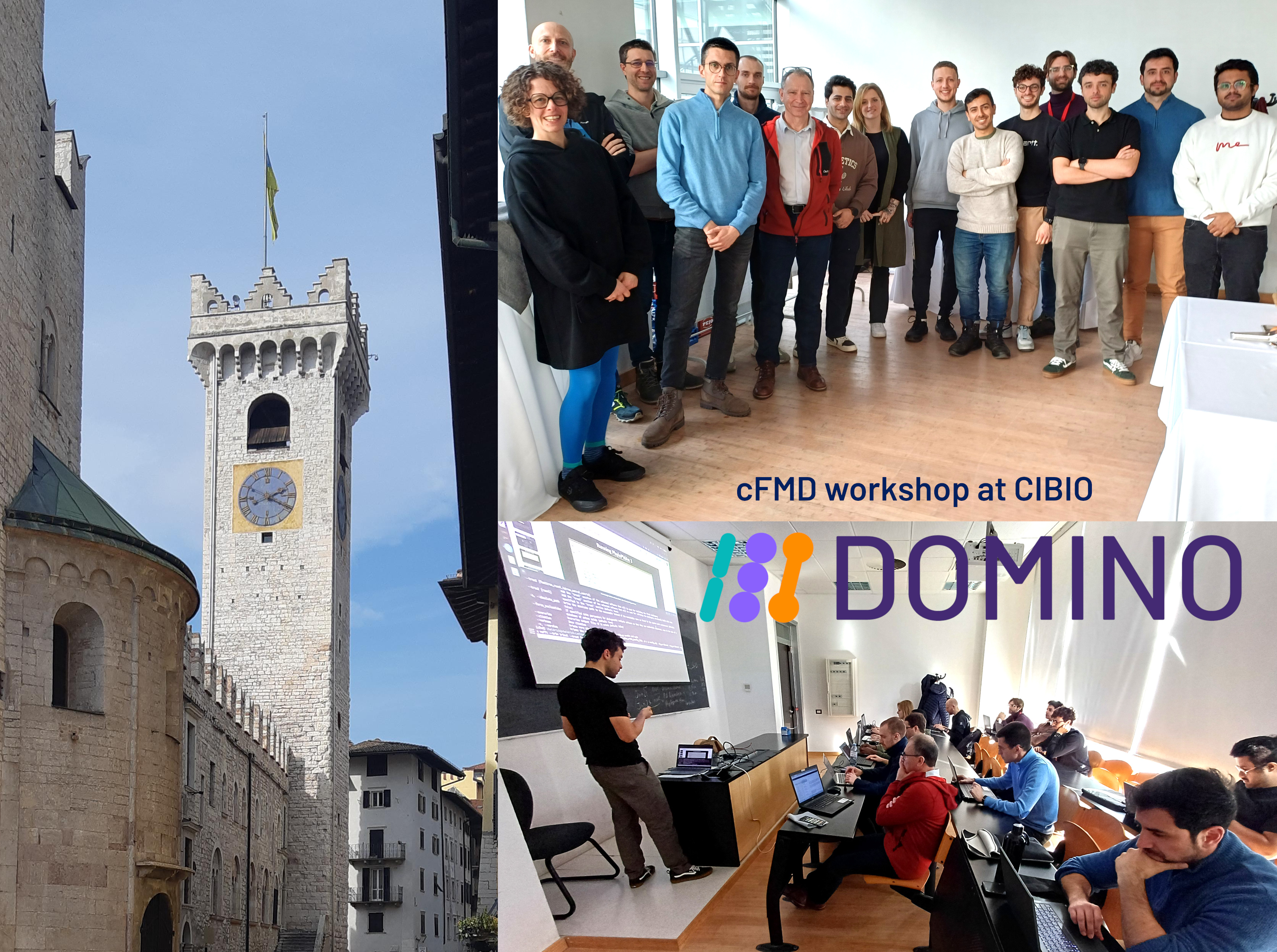
cFMD workshop in Trento

Published: Feb 24, 2026 by FME Lab

Last February 23-24th 2026, at University of Trento, a workshop was organized by the CIBIO (Nicola Segata’s lab) for #DominoEU partners. The workshop aimed at learning to query & analyse data from the Curated Food Microbiome Database (cFMD). Thanks to the very efficient and skilled teaching team (vitor Heidrich, Hrituraj Dey, Francesco aniscar, Sergio Andrés Castañeda Garzon) and for the incredible hospitality of Frederica Pinto and Nicola Segata.
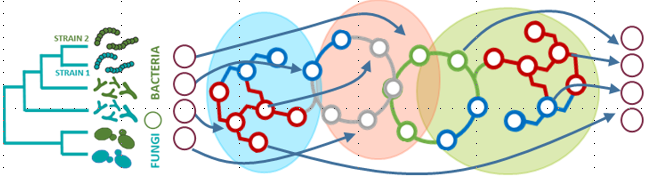
cFMD is an incredible Food microbiomes metagenomic database for food microbiologists allowing the mining of microbiome taxonomic and functional information across more than 3,000 food samples.
Share

Latest Posts

Fermented foods at the Fête de la science Paris-Saclay 2026

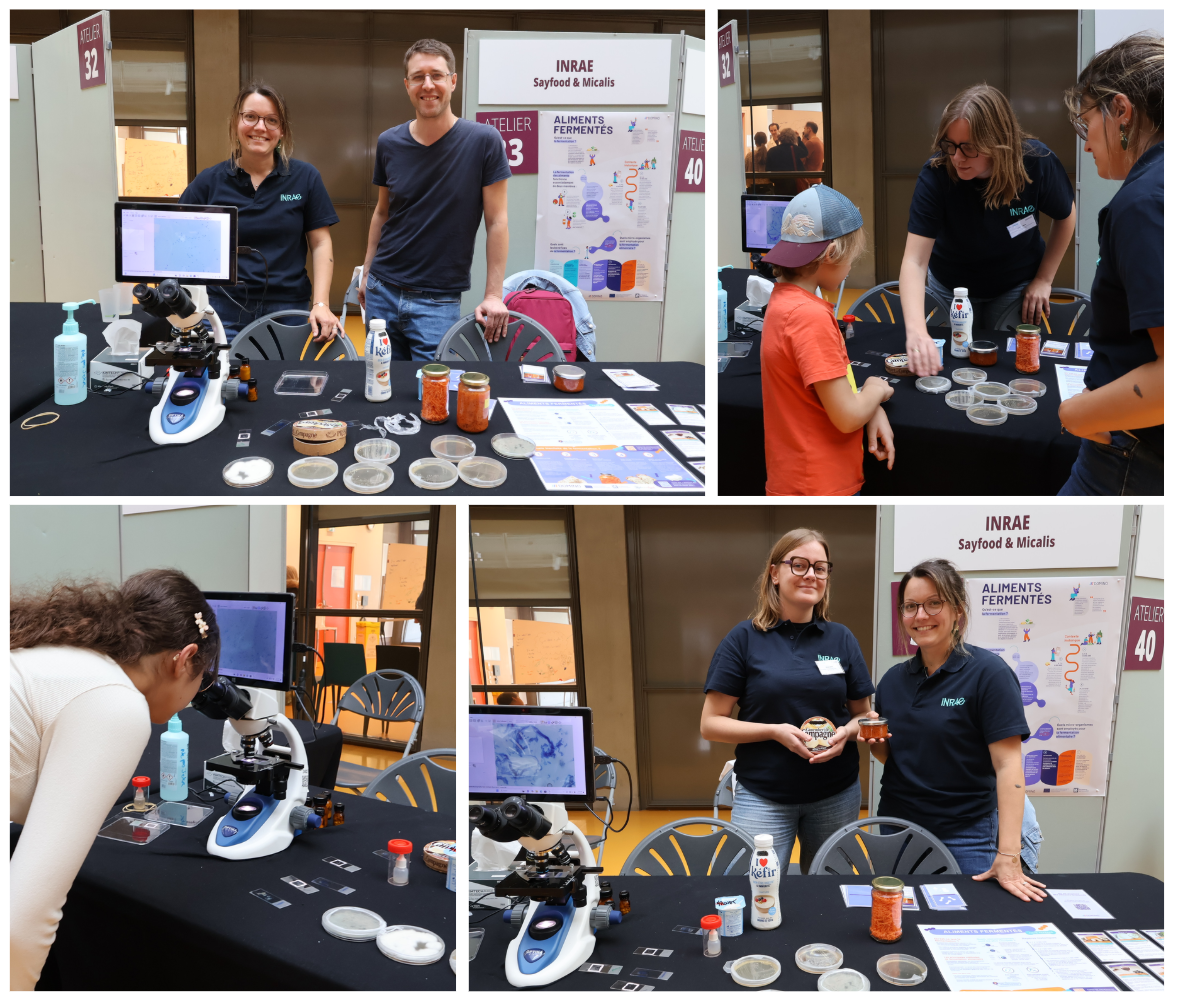
On October 3–4, 2026, Stéphane Chaillou and Alice Lima took part in the Village des sciences at ENS Paris-Saclay for the Fête de la science, France’s annual science festival. This year’s theme, “Saveurs savantes”, invited visitors to explore the science behind food and flavour.

From “synthetic” to defined microbial communities for clearer terminology

Stéphane Chaillou participated in a joint reflection with a group of international researchers, coordinated by the Austrian Institute of Technology (AIT), on the terminology used to describe certain microbial communities. The collective of experts proposes replacing the term “synthetic community” (or SynCom), sometimes perceived negatively, with “Defined Microbial Community”.

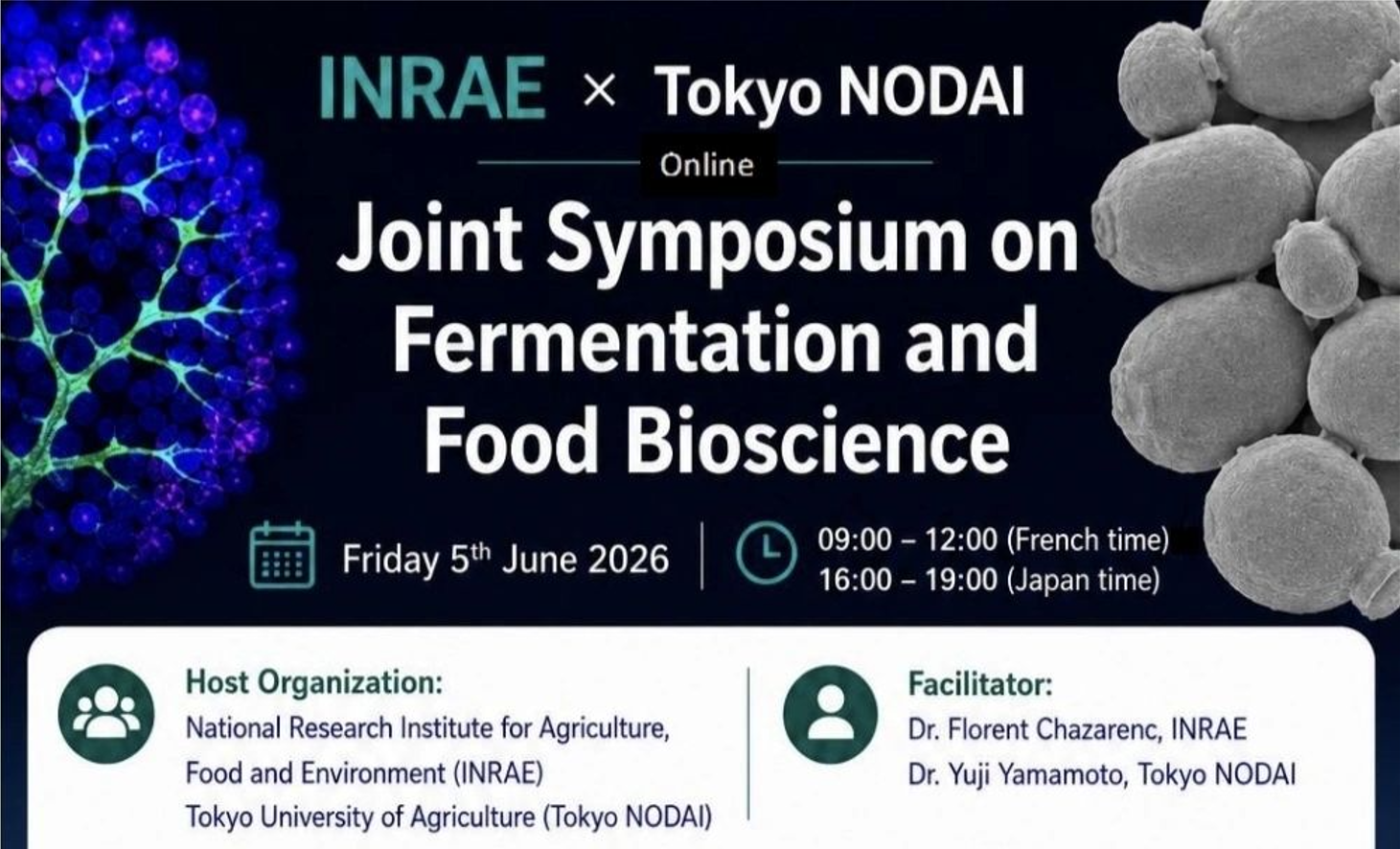
INRAE Tokyo NODAI Joint Symposium on Fermentation and Food Bioscience

On June 5, 2026, Julien Tap participated in the INRAE-Tokyo NODAI Joint Symposium on Fermentation and Food Bioscience. This online event brought together researchers from INRAE and the Tokyo University of Agriculture to discuss fermentation microbiology, food bioscience, taste, and microbiome-based approaches to health. More than 100 participants attended the symposium, most of them Japanese students, highlighting the strong interest of the next generation in fermentation and microbiome science.