As part of the DOMINO project, 6 living labs will be set up in 6 different countries to interact with consumers and stakholders on the place of traditional and future fermented foods in a sustainable food system.
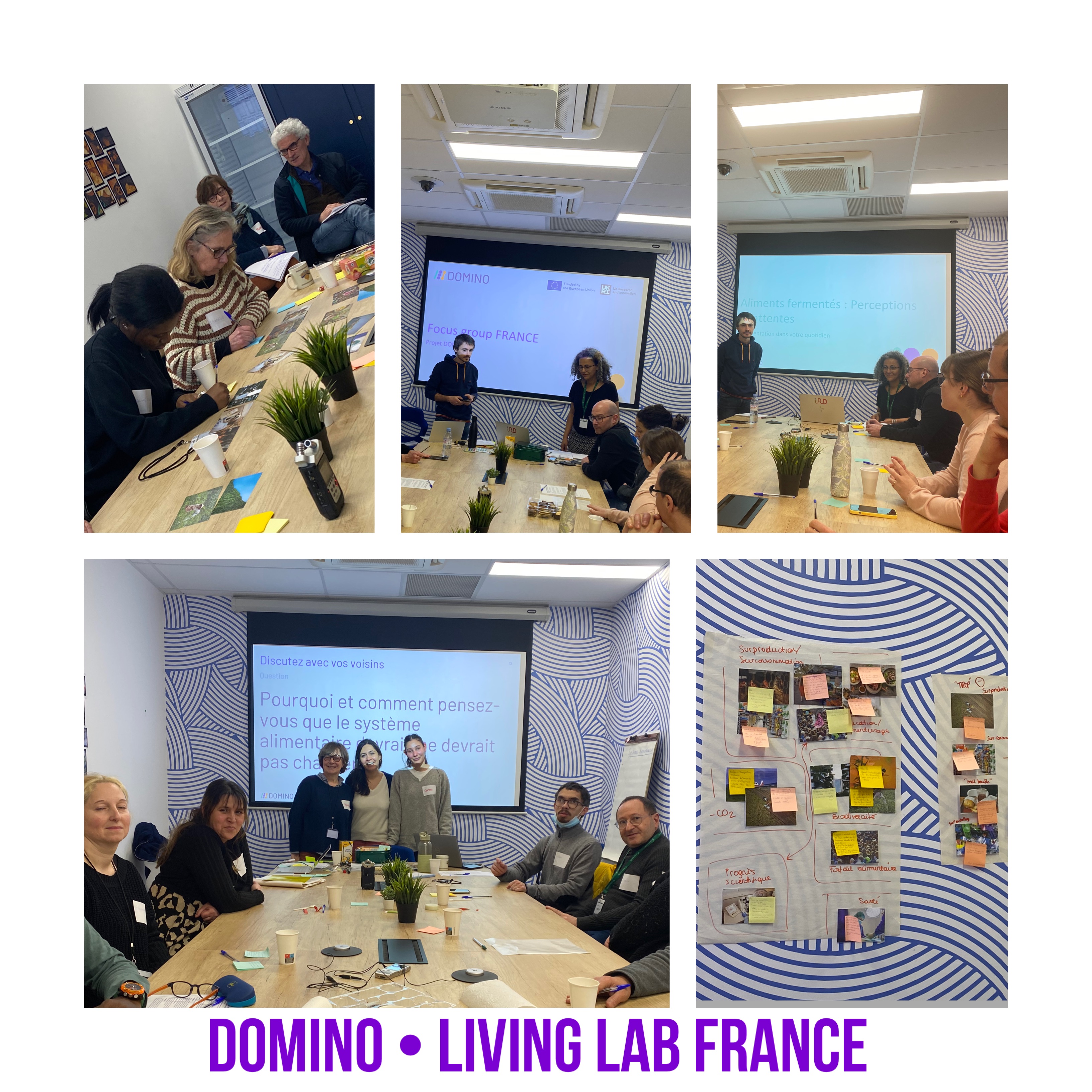
Exploring Traditional and Future Fermented Foods: Insights from France's First DOMINO Living Lab
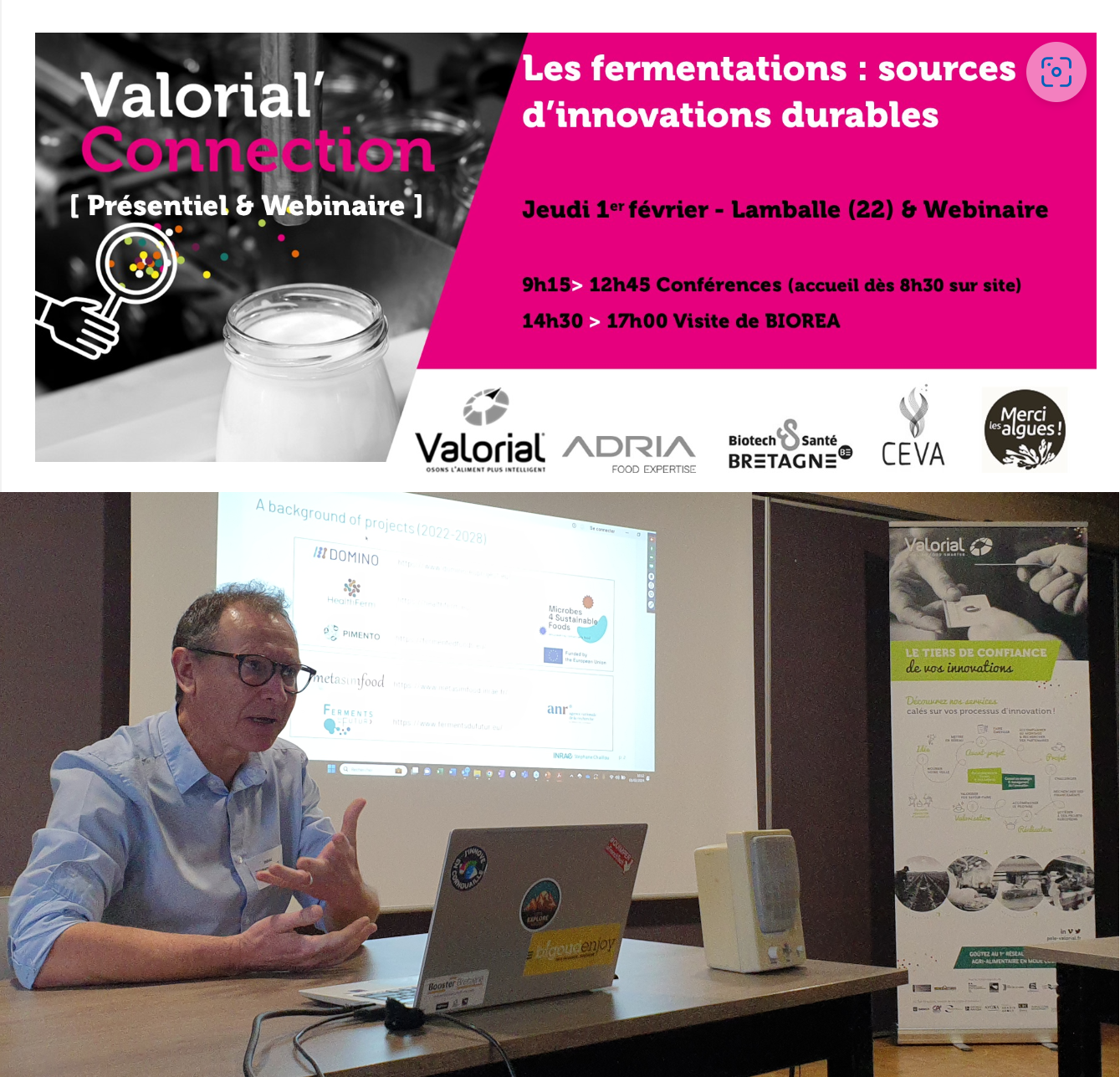
Focus on fermented foods at Valorial’Connection
The first Valorial’Connection event of the year was held at Lamballe this 1st February. It gathered more than 50 academic and AgriFood industry partners on site and as many online. Stéphane was invited to give a talk1 for presenting the EU DOMINO project and to talk, more specifically, on the role of data sciences in fermented foods area.
-
Chaillou S. The role of fermented food microbiota diversity on health: what contributions from data sciences?. https://hal.science/hal-04446192 ↩
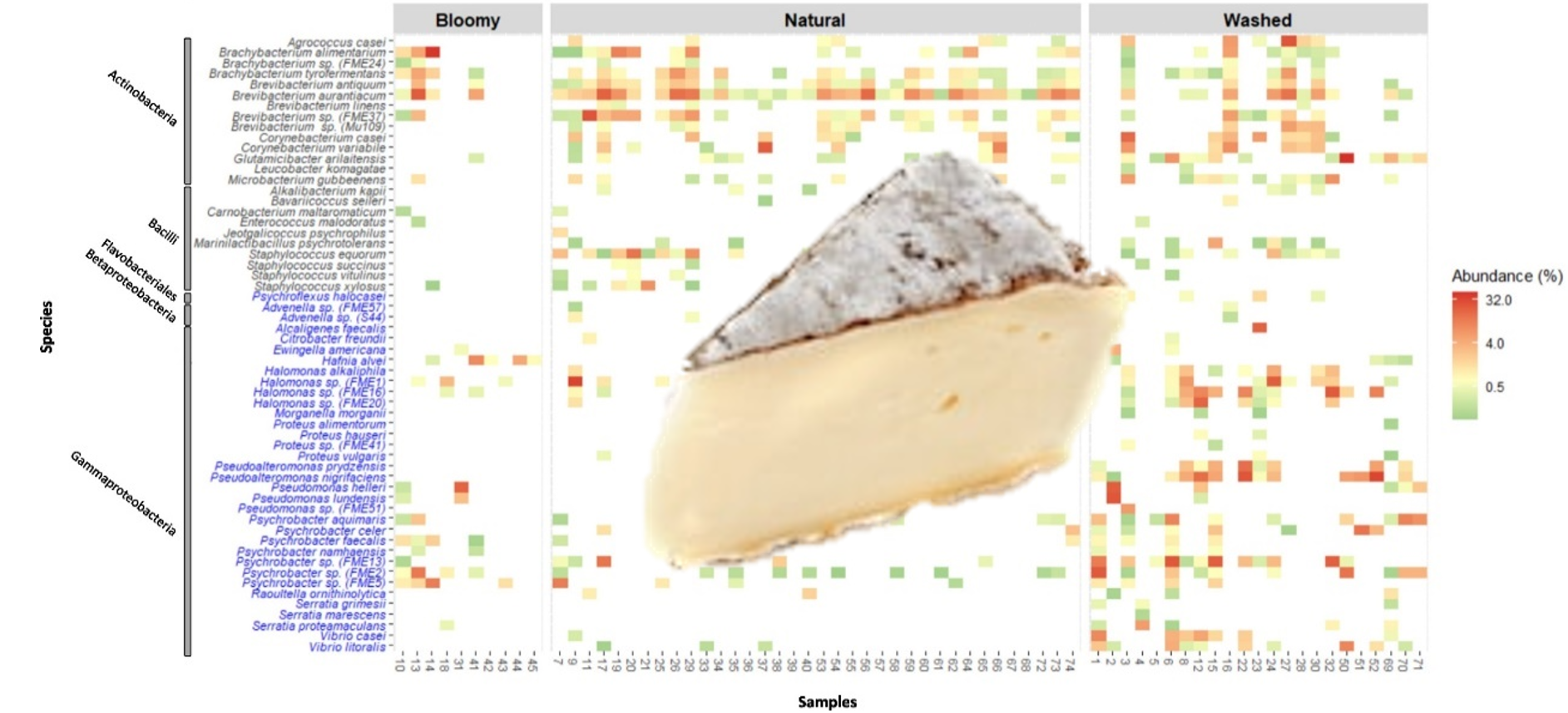
New Halomonas species isolated from French cheese rinds
Halophilic and halotolerant bacteria are generally considered to live in natural environments such as see, although they can also be present in foods such as cheese and seafood. These salt-loving bacteria have occasionally been characterized in cheeses, and studies on their ecological and technological functions are still rare. In a previous study, we systematically characterized these micro-organisms in the rind of 13 traditional cheeses. We identified 35 halotolerant strains1, 8 of which were assigned to the Halomonas genus on the basis of 16S rRNA gene sequence analysis.
-
Kothe et al. Halomonas citrativorans sp. nov., Halomonas casei sp. nov. and Halomonas colorata sp. nov., isolated from French cheese rinds. Int J Syst Evol Microbiol. 2024 ↩
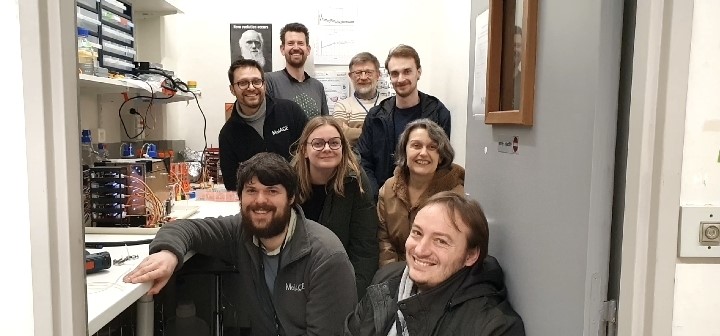
FermenTwin Project Launch: A Fusion of Microbiology, Technology, and Taste
Today marked the exciting kickoff of the FermenTwin project, funded by INRAE DIGIT-BIO metaprogram and coordinated by Guillaume Gautreau, an innovative venture set to develop a food microbiota digital twins of fermented vegetable juices.
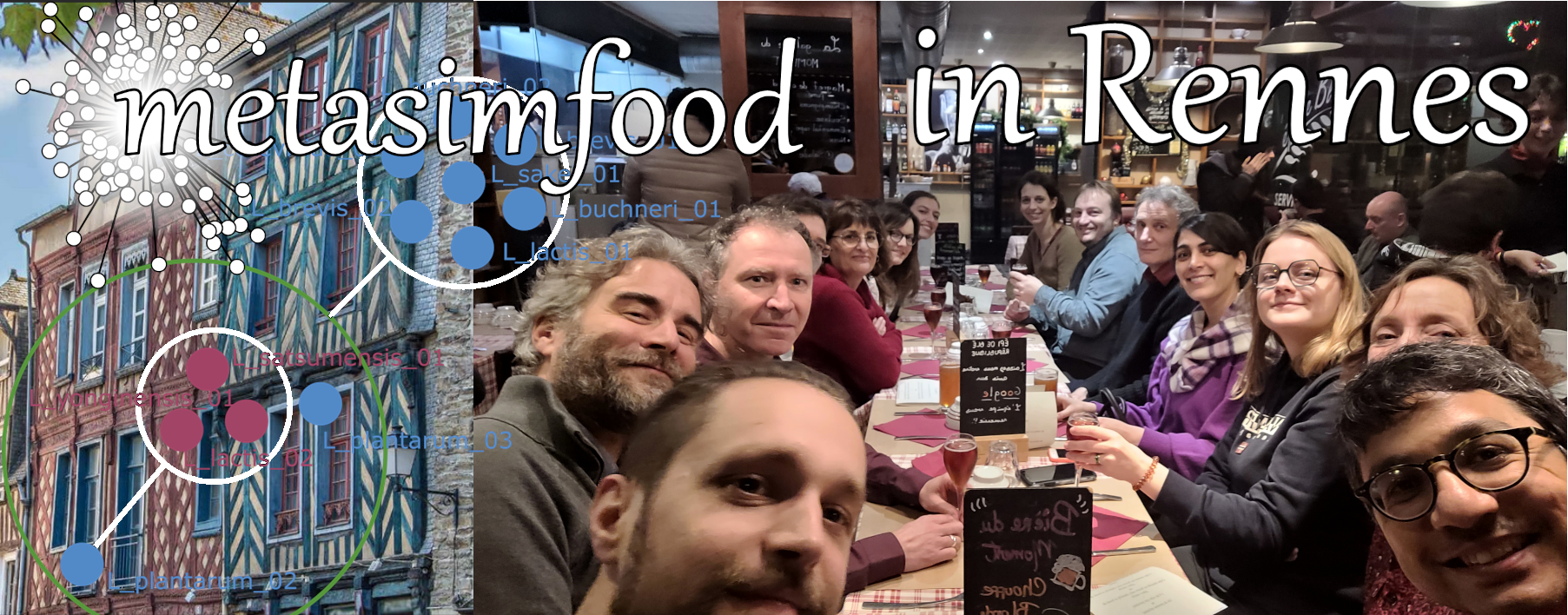
Fourth scientific meeting of ANR metasimfood project in Rennes
This time, the 7 partners gathered in Rennes this Tuesday 12th of December and were hosted by STLO at the Institut Agro.
Latest Posts
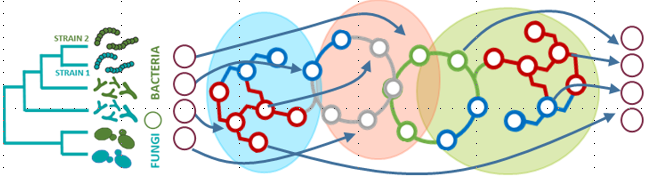
From “synthetic” to defined microbial communities for clearer terminology
Stéphane Chaillou participated in a joint reflection with a group of international researchers, coordinated by the Austrian Institute of Technology (AIT), on the terminology used to describe certain microbial communities. The collective of experts proposes replacing the term “synthetic community” (or SynCom), sometimes perceived negatively, with “Defined Microbial Community”.
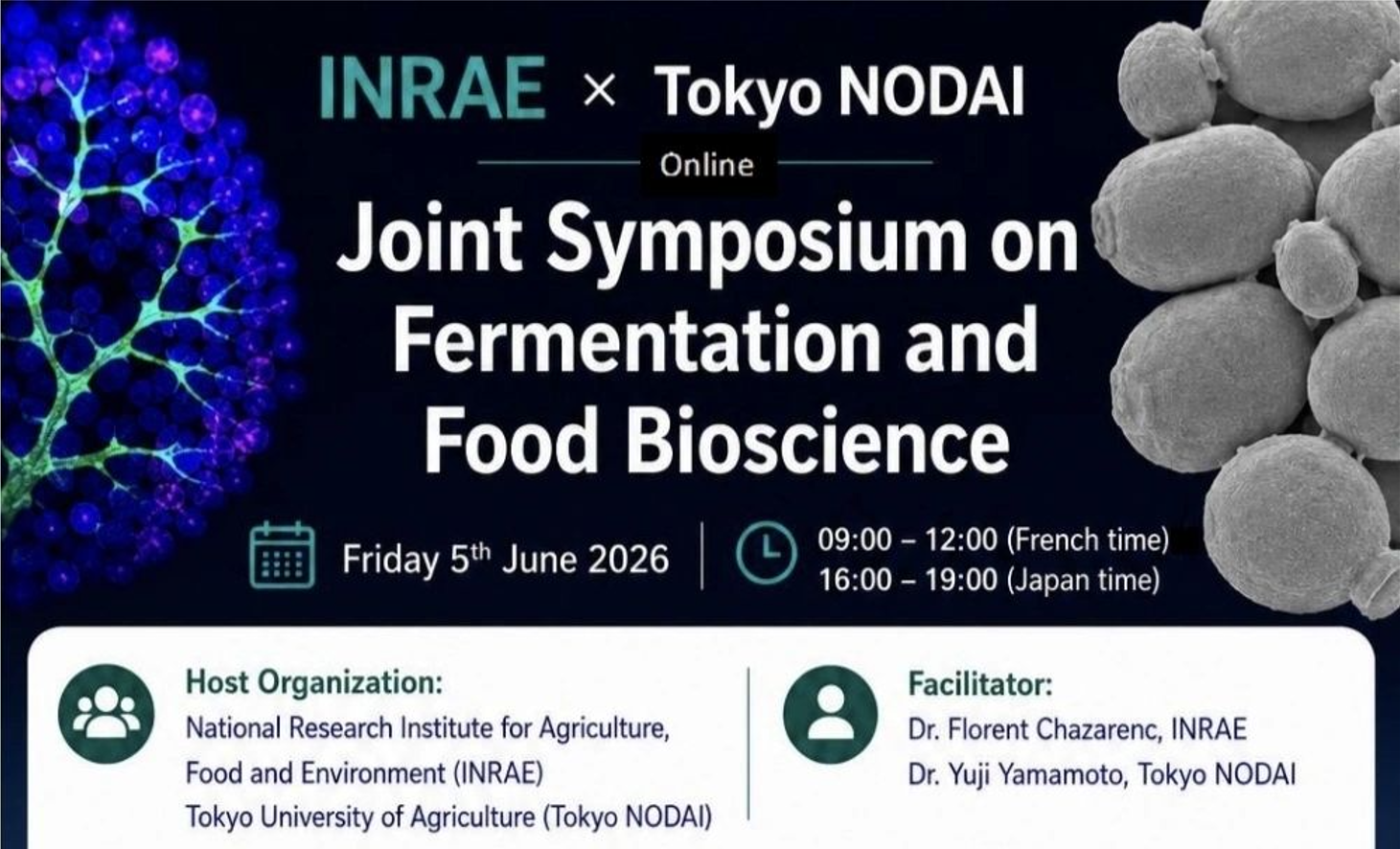
INRAE Tokyo NODAI Joint Symposium on Fermentation and Food Bioscience
On June 5, 2026, Julien Tap participated in the INRAE-Tokyo NODAI Joint Symposium on Fermentation and Food Bioscience. This online event brought together researchers from INRAE and the Tokyo University of Agriculture to discuss fermentation microbiology, food bioscience, taste, and microbiome-based approaches to health. More than 100 participants attended the symposium, most of them Japanese students, highlighting the strong interest of the next generation in fermentation and microbiome science.
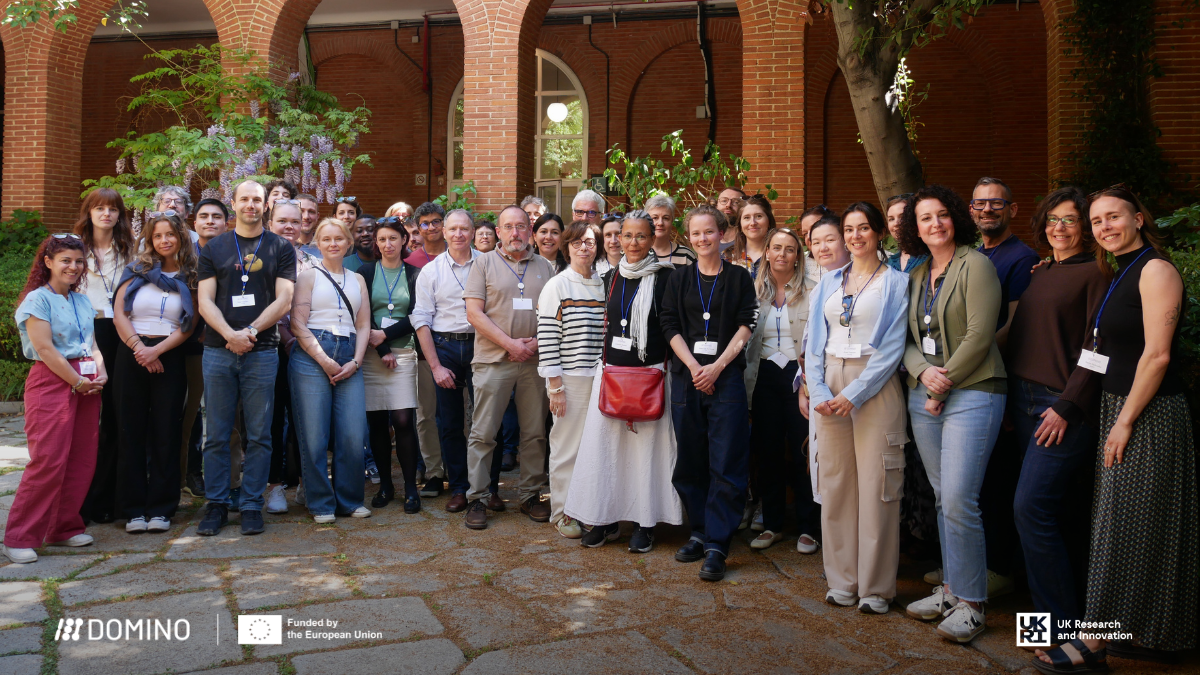
DOMINO 3rd annual meeting in Madrid
After three years, the #DominoEU project has reached full speed, with significant results across all project objectives. The three-day meeting provided an opportunity to review the very busy year of 2025 and the many key findings that can be leveraged in the coming months.