At the BIOKET (Bioeconomy Key Enabling Technologies) conference in Fribourg, Julien presented recent advances from the SynthPlex project, positioning synthetic microbial ecology as a core tool for next-generation fermented foods.
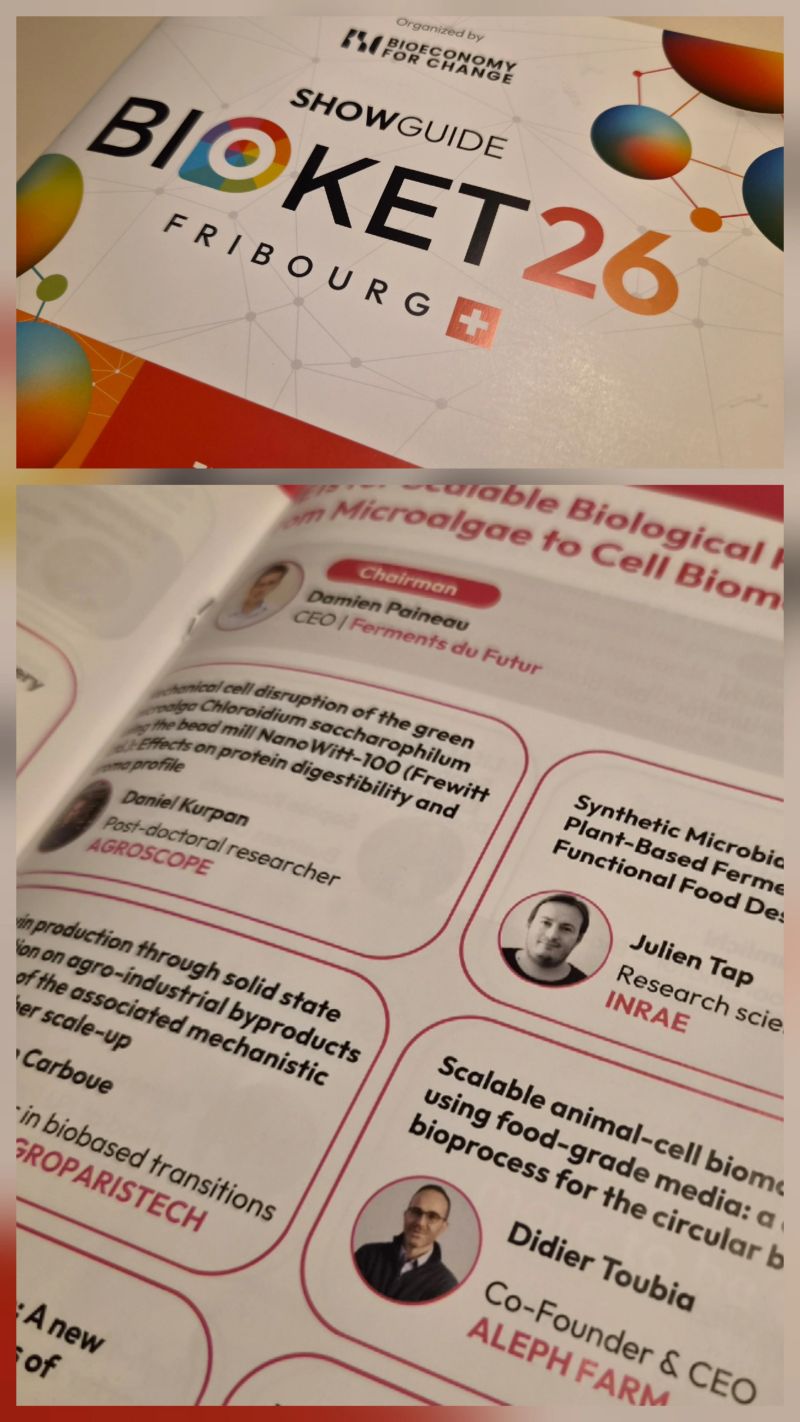
FME at Bioket 2026 advancing synthetic microbial ecology for sustainable food
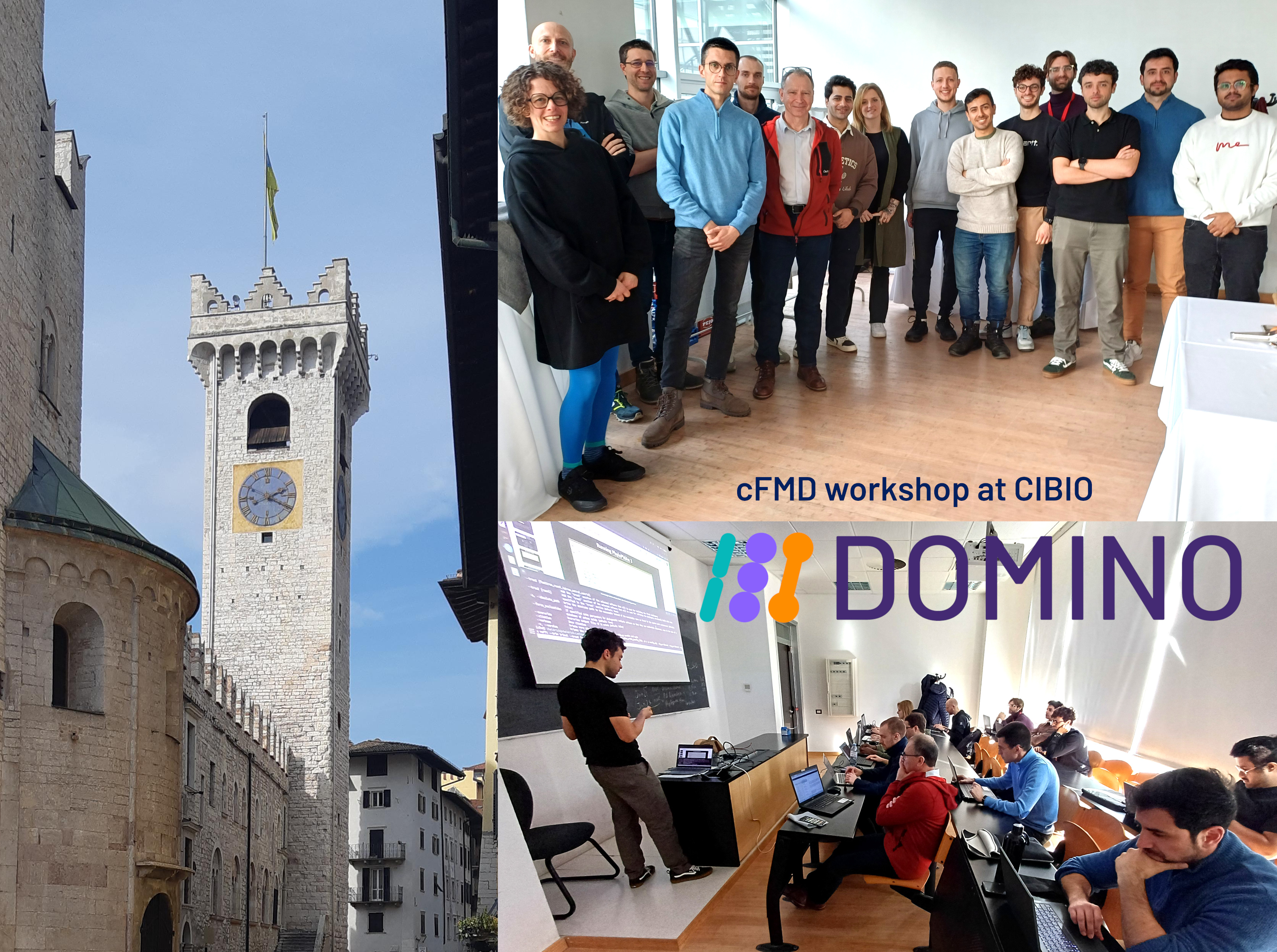
cFMD workshop in Trento
Last February 23-24th 2026, at University of Trento, a workshop was organized by the CIBIO (Nicola Segata’s lab) for #DominoEU partners. The workshop aimed at learning to query & analyse data from the Curated Food Microbiome Database (cFMD). Thanks to the very efficient and skilled teaching team (vitor Heidrich, Hrituraj Dey, Francesco aniscar, Sergio Andrés Castañeda Garzon) and for the incredible hospitality of Frederica Pinto and Nicola Segata.
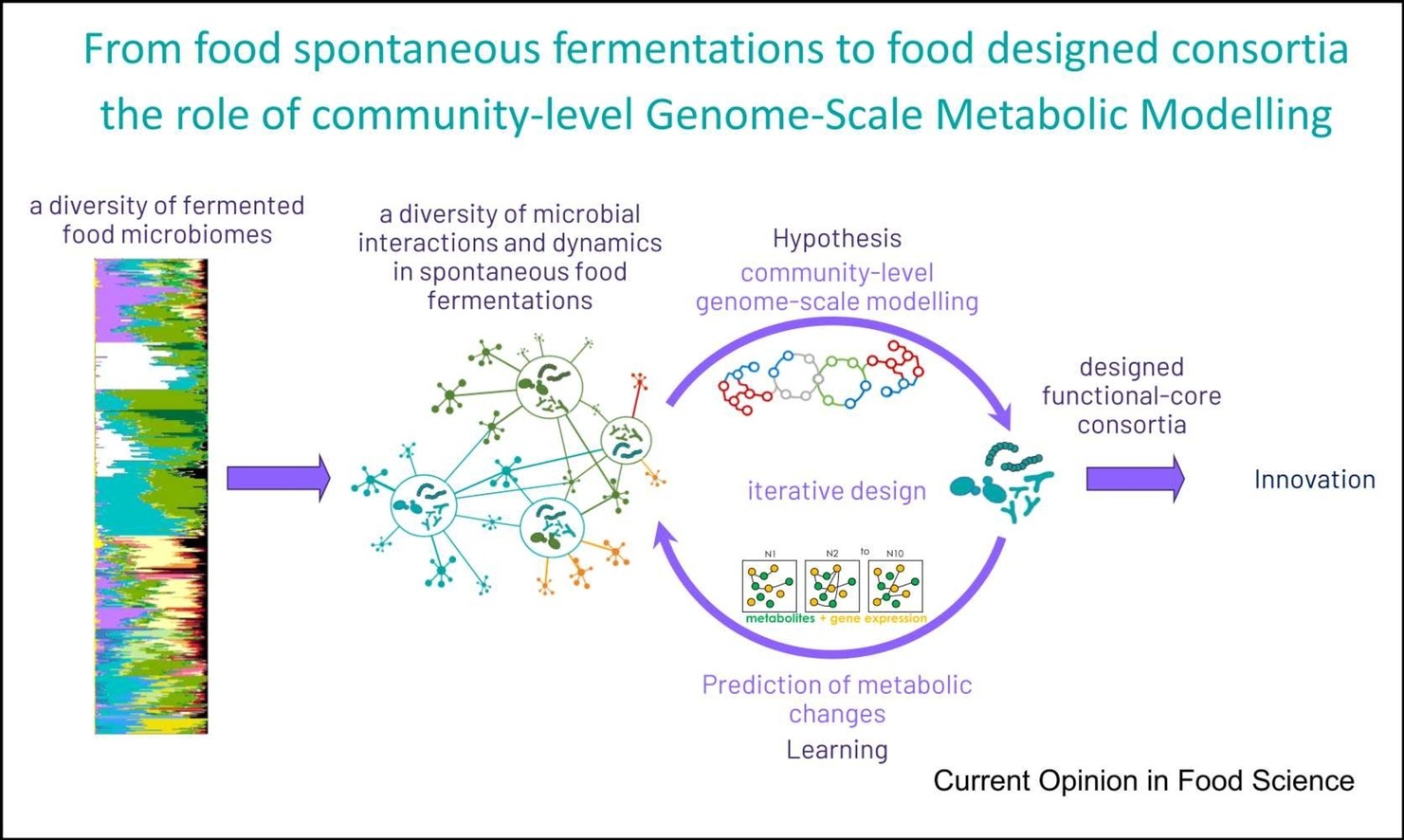
From food spontaneous fermentations to food designed consortia
Our new article entitled “Microbiome metabolic modeling as a tool for innovation in fermented foods” has been published in in Current Opinion of Food Science1.
-
Elham Karimi, Julien Tap, Marie-Christine Champomier-Vergès, Stéphane Chaillou. Microbiome metabolic modeling as a tool for innovation in fermented foods. Current Opinion of Food Science. 2025 ↩
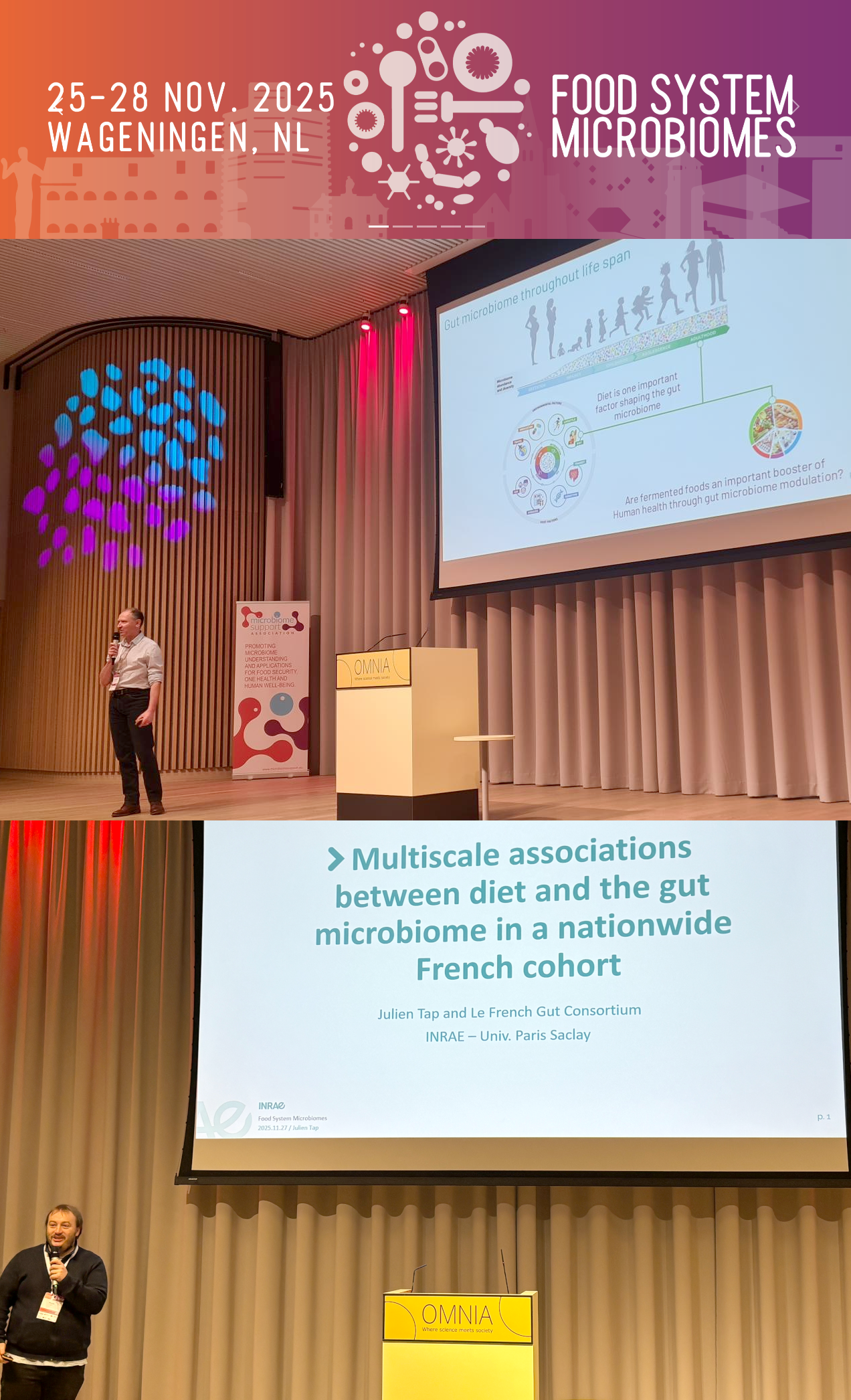
The FME lab communicates about the links between the microbiome, nutrition and health.
On Thursday 27 November, the FME lab took part in the Food System Microbiomes Conference in Wageningen during the session dedicated to the connections between microbiomes, nutrition and health. The session was co-chaired by Stéphane Chaillou (INRAE, Micalis) and Prof. Christophe Courtin (KU Leuven), and provided an opportunity to showcase advances from two major European projects: DOMINO and HealthFerm.

Understanding How Fermented Foods Shape Health Insights From a New PIMENTO Review
A new scoping review published in Frontiers in Nutrition1 as part of the COST Action PIMENTO initiative provides a comprehensive assessment of what is currently known about the health effects of fermented foods in specific human populations. This work reflects a substantial collective effort. We conducted an extensive and rigorous screening of the scientific literature, reviewing and selecting studies across many categories of fermented foods and health outcomes.
-
Humblot Christèle, Alvanoudi Panagiota, Alves Emilia, Assunçao Ricardo, Belovic Miona, Bulmus-Tuccar Tugce, Chassard Christophe, Derrien Muriel, Karagöz Mustafa Fevzi, Karakaya Sibel, Laranjo Marta, Mantzouridou Fani Th, Rosado Catarina, Pracer Smilja, Saar Helen, Tap Julien, Treven Primož, Vergères Guy, Pertziger Eugenia, Savary-Auzeloux Isabelle, A scoping review of the health effects of fermented foods in specific human populations and their potential role in precision nutrition: current knowledge and gaps. Frontiers in Nutrition. 2025 doi:10.3389/fnut.2025.1650633 ↩
Latest Posts
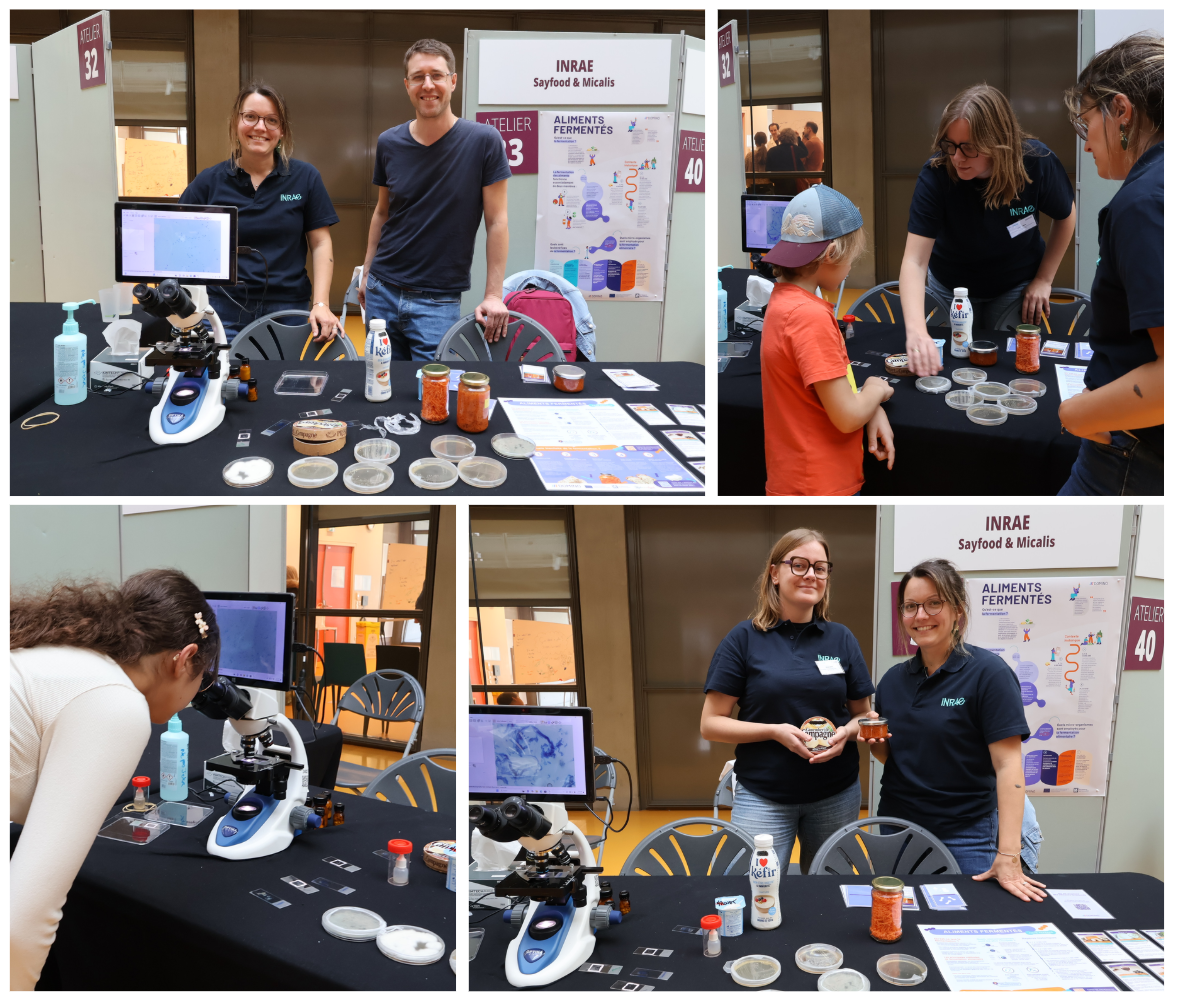
Fermented foods at the Fête de la science Paris-Saclay 2026
On October 3–4, 2026, Stéphane Chaillou and Alice Lima took part in the Village des sciences at ENS Paris-Saclay for the Fête de la science, France’s annual science festival. This year’s theme, “Saveurs savantes”, invited visitors to explore the science behind food and flavour.
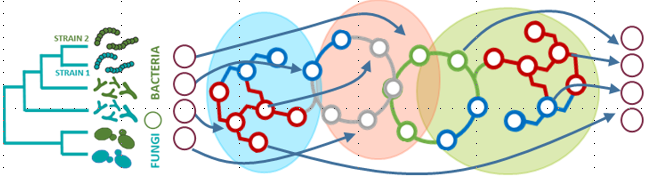
From “synthetic” to defined microbial communities for clearer terminology
Stéphane Chaillou participated in a joint reflection with a group of international researchers, coordinated by the Austrian Institute of Technology (AIT), on the terminology used to describe certain microbial communities. The collective of experts proposes replacing the term “synthetic community” (or SynCom), sometimes perceived negatively, with “Defined Microbial Community”.
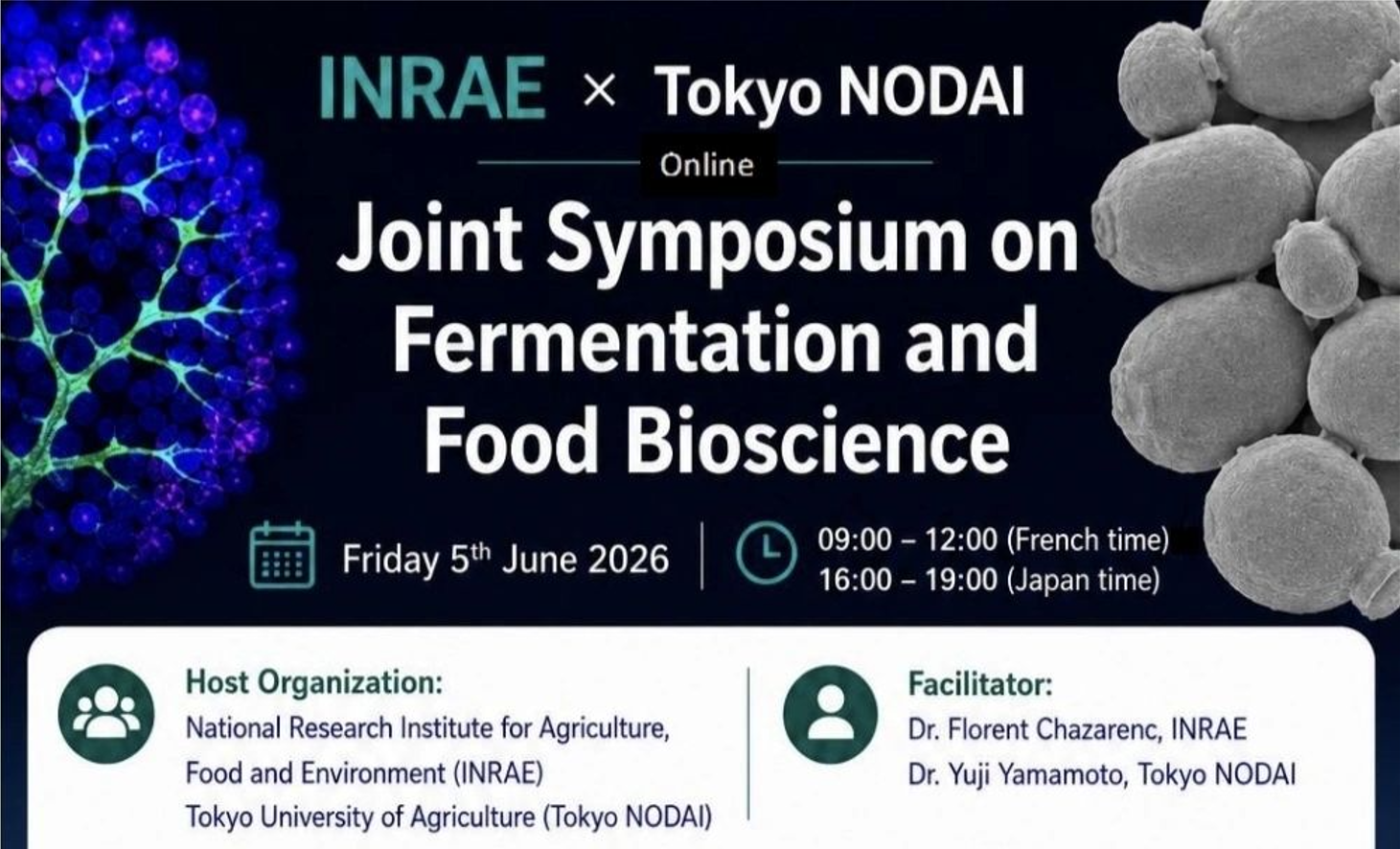
INRAE Tokyo NODAI Joint Symposium on Fermentation and Food Bioscience
On June 5, 2026, Julien Tap participated in the INRAE-Tokyo NODAI Joint Symposium on Fermentation and Food Bioscience. This online event brought together researchers from INRAE and the Tokyo University of Agriculture to discuss fermentation microbiology, food bioscience, taste, and microbiome-based approaches to health. More than 100 participants attended the symposium, most of them Japanese students, highlighting the strong interest of the next generation in fermentation and microbiome science.