Last Friday 17th of May, in the frame of the 1st Food System Conference in Torino , Stéphane Chaillou organized the second clustering activity of the #Microbes4SustainableFoods cluster of EU projects (#DominoEU, #HealthFerm, #Pimento ca20128, #Wheatbiome, #Tribiome and #Microbes) on the Friday afternoon after the conference closure.
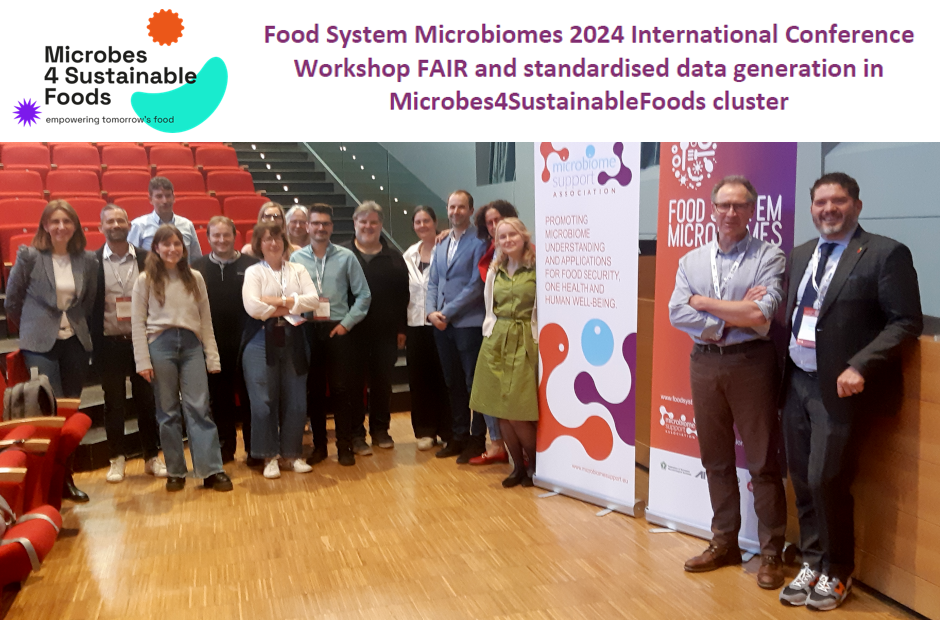
Workshop on FAIR omics data in the M4SF cluster of European HE projects
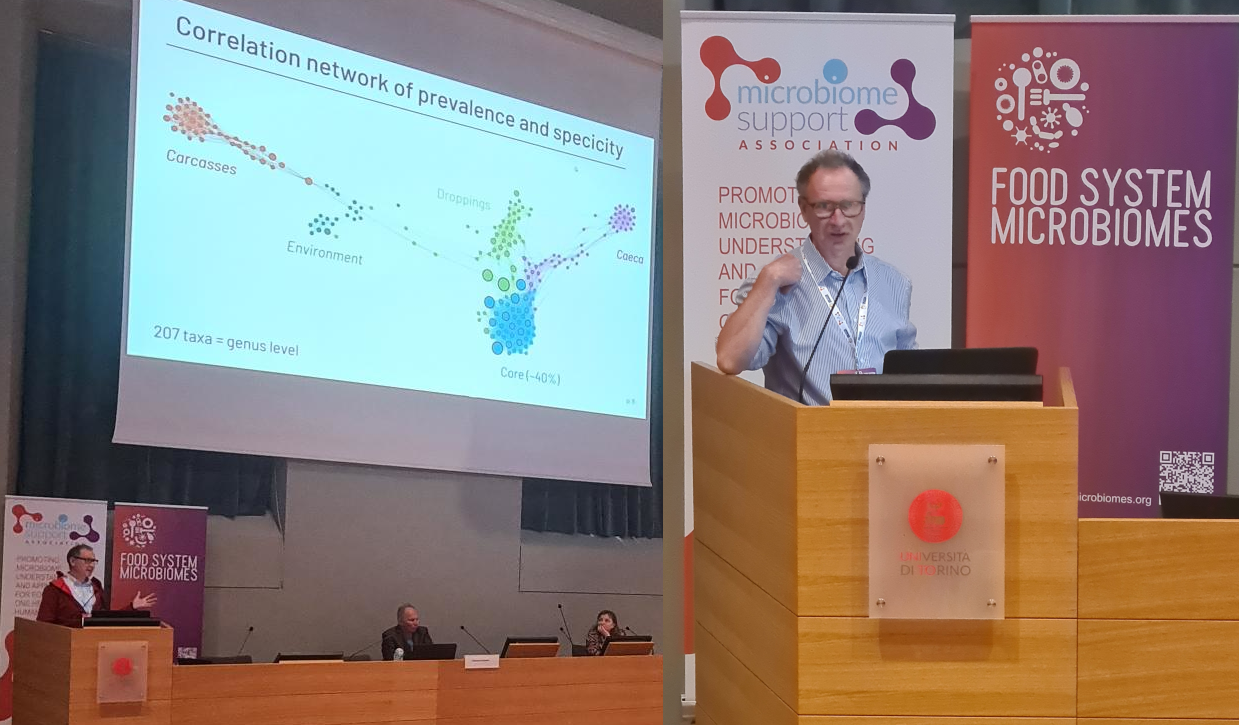
Impact of farming practices and diet on chicken microbiomes
Last week, in the frame of the 1st Food System Conference in Torino, Stéphane was pleased to show for the first time the results of the Holoflux egg-to-meat project.
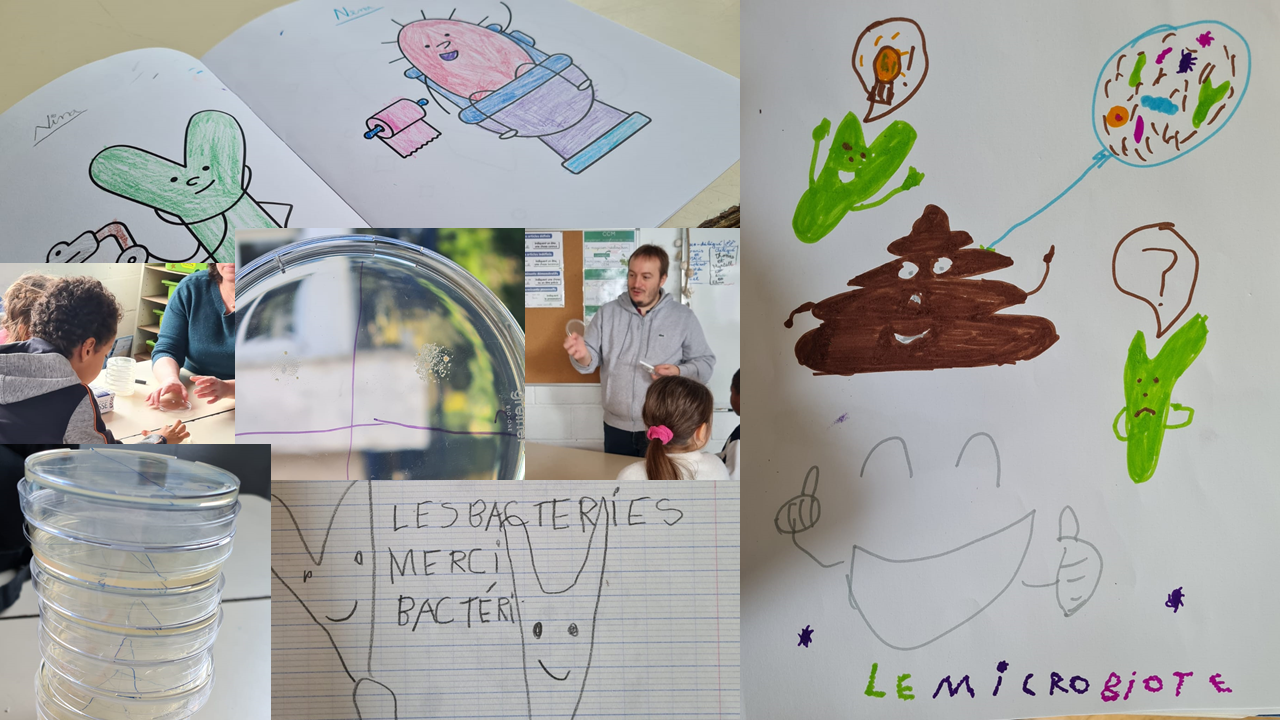
Teaching Kids about the Microbial World: Merci les bactéries !
In a unique venture at a primary school in the southern suburbs of the Paris region, the Food Microbial Ecology Team and the PhylHom team united to teach microbiology, fermented foods, and the gut microbiome to curious young minds. In a vibrant classroom, 50 kids engaged in a dynamic 30-minute session, exploring the microscopic world through interactive discussions and vivid illustrations.
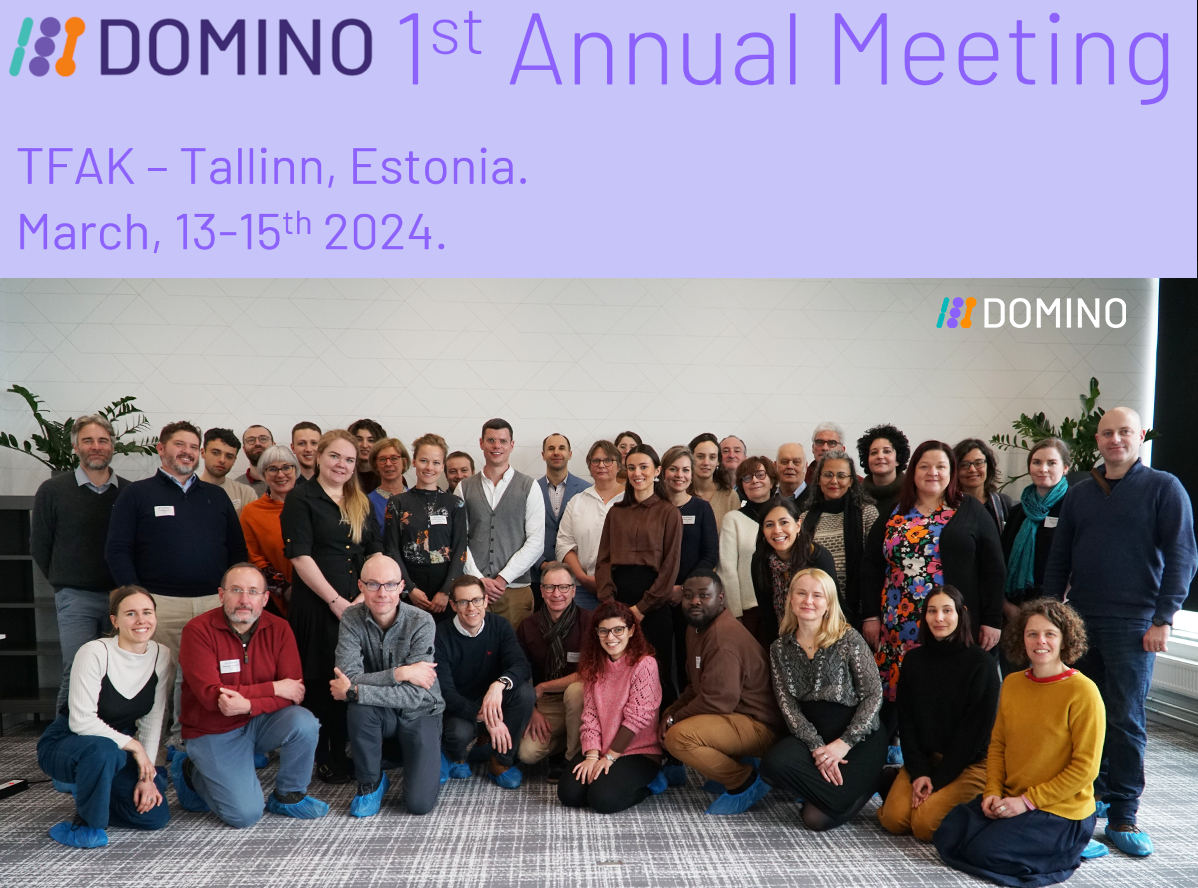
Domino 1st annual meeting in Tallinn
The #DominoEU project consortium met in Tallinn, Estonia, to discuss the results of the first year.
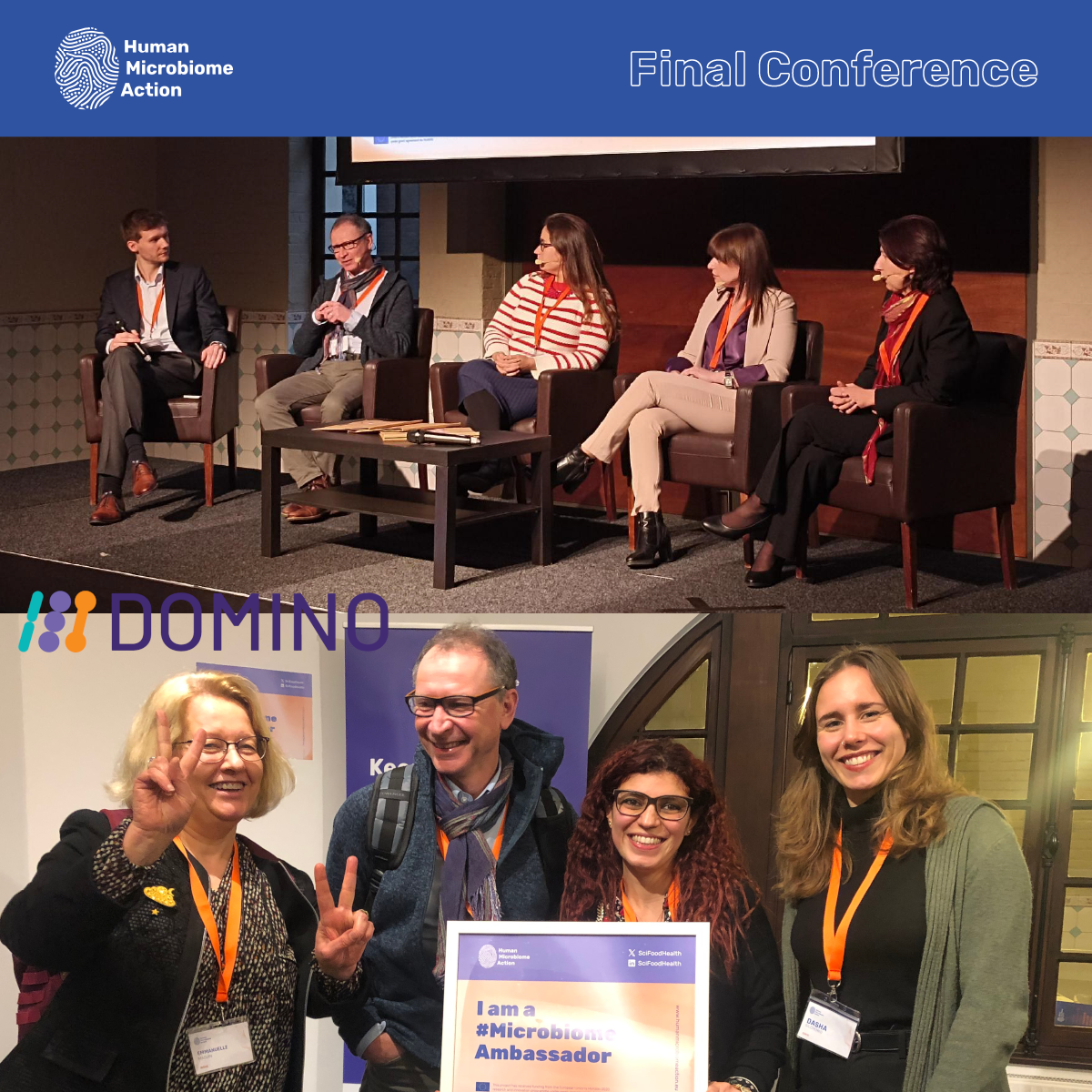
What’s the future on human Microbiome Research?
The final conference of the Human Microbiome Action coordinated by Joël Doré, Emmanuelle Maguin and Mani Arumugam took place in Brussels at les Ateliers des Tanneurs on the 29th of February. A lot of very interesting talks summarizing the state of the art in Human microbiome research meanwhile paving the ground on policies for safeguarding public health.
Latest Posts
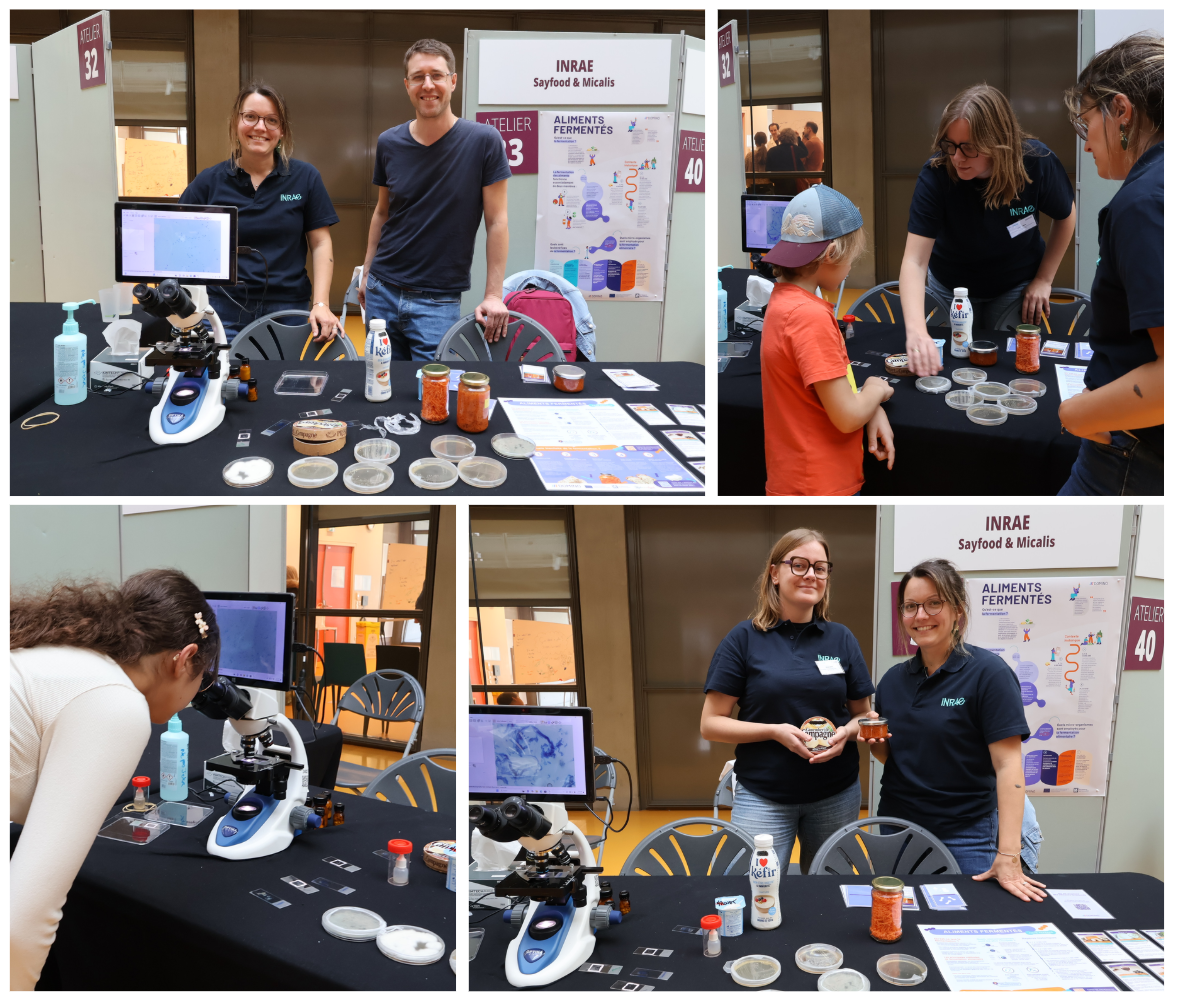
Fermented foods at the Fête de la science Paris-Saclay 2026
On October 3–4, 2026, Stéphane Chaillou and Alice Lima took part in the Village des sciences at ENS Paris-Saclay for the Fête de la science, France’s annual science festival. This year’s theme, “Saveurs savantes”, invited visitors to explore the science behind food and flavour.
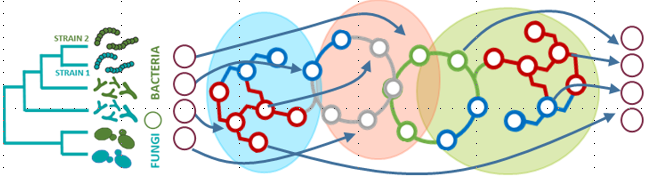
From “synthetic” to defined microbial communities for clearer terminology
Stéphane Chaillou participated in a joint reflection with a group of international researchers, coordinated by the Austrian Institute of Technology (AIT), on the terminology used to describe certain microbial communities. The collective of experts proposes replacing the term “synthetic community” (or SynCom), sometimes perceived negatively, with “Defined Microbial Community”.
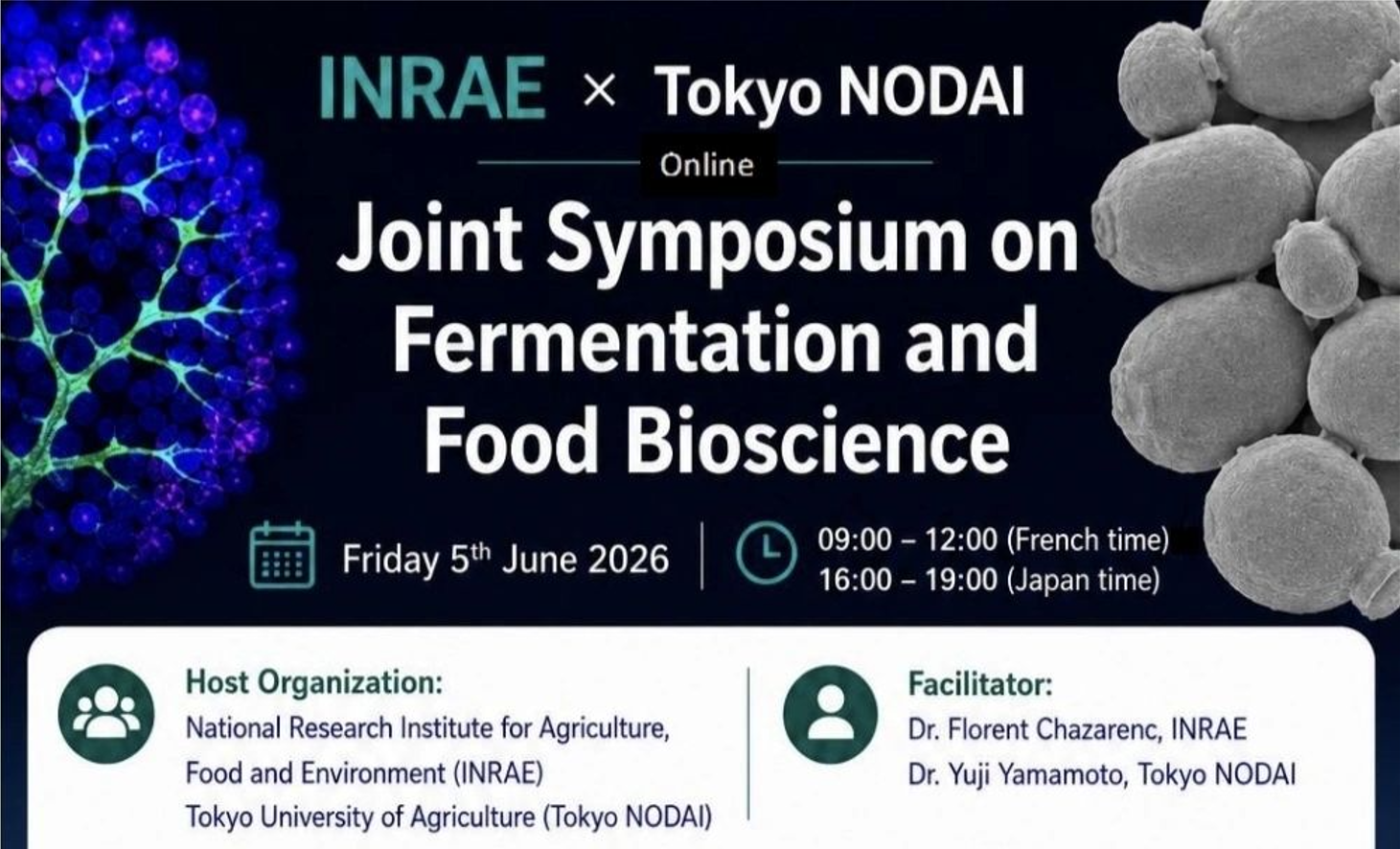
INRAE Tokyo NODAI Joint Symposium on Fermentation and Food Bioscience
On June 5, 2026, Julien Tap participated in the INRAE-Tokyo NODAI Joint Symposium on Fermentation and Food Bioscience. This online event brought together researchers from INRAE and the Tokyo University of Agriculture to discuss fermentation microbiology, food bioscience, taste, and microbiome-based approaches to health. More than 100 participants attended the symposium, most of them Japanese students, highlighting the strong interest of the next generation in fermentation and microbiome science.