News

from FME lab

Subscribe
Exploring the Interconnected World of Microbiomes

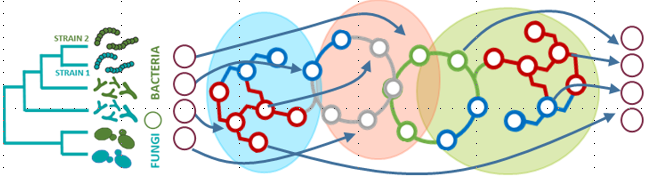
In our contribution to the last Microbiome Support CSA review, coordinated by A. sessitch and T. Kostic1, we reveal the critical roles of microbiomes in maintaining ecosystem health and their extensive interconnectivity across different environments. These diverse microbial communities are exchanged constantly, affecting everything from climate regulation to human health.

  1. Sessitsch A, Wakelin S, Schloter M, et al. Microbiome Interconnectedness throughout Environments with Major Consequences for Healthy People and a Healthy Planet. Microbiol Mol Biol Rev. 2023;e0021222. doi:10.1128/mmbr.00212-22 ↩
LABIP Expert Workshop Microbial Diversity & Health

In Leiden, Netherlands, 7 – 8 June 2023, the recent LABIP1 Expert Workshop on “Microbial Diversity & Health” brought together experts to explore this relationship. The workshop began with an objective to examine the impact of microbial diversity in food on health. Presentations covered topics such as the role of beneficial microbes, consequences of food processing on microbial diversity, and harnessing gut microbiome diversity.

  1. LABIP: Lactic Acid Bacteria Industrial Platform ↩

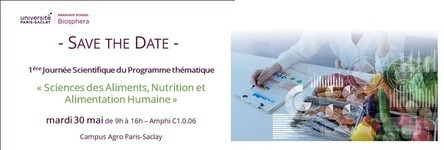
1st Scientific Day of the Food Science, Nutrition, and Human Nutrition Program

The 1st Scientific Day of the “Food Science, Nutrition, and Human Nutrition Program” was Tuesday, May 30th, 2023 at Campus Agro Paris-Saclay. Topics included Food transformation, Food transitions, Healthy eating and Personalized nutrition

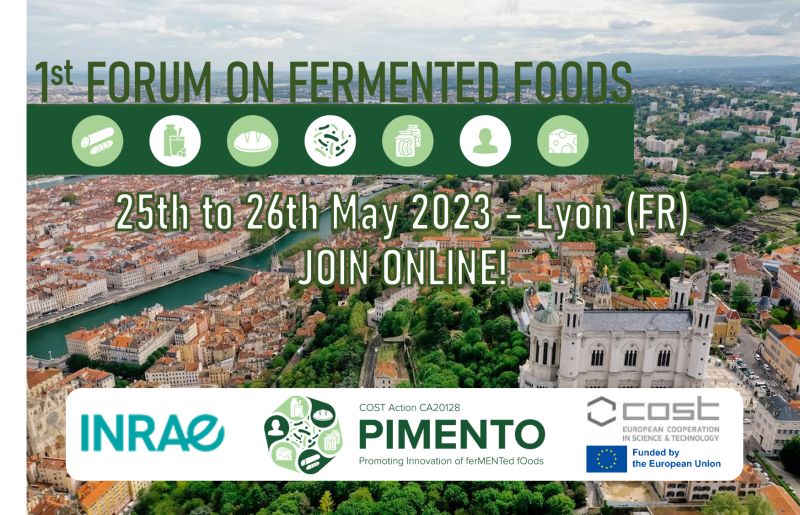
Domino project shines at PIMENTO Forum

The recent PIMENTO Forum served as a platform for the HorizonEU DOMINO project. Stéphane and Marie present their ambitious goals under Horizon Europe. The DOMINO project, funded by Horizon Europe, aims to address critical challenges through interdisciplinary collaboration, fostering connectivity among actors in the scientific community. The project received positive feedback at the forum, with an emphasis on Living-Labs and networking through COST PIMENTO.

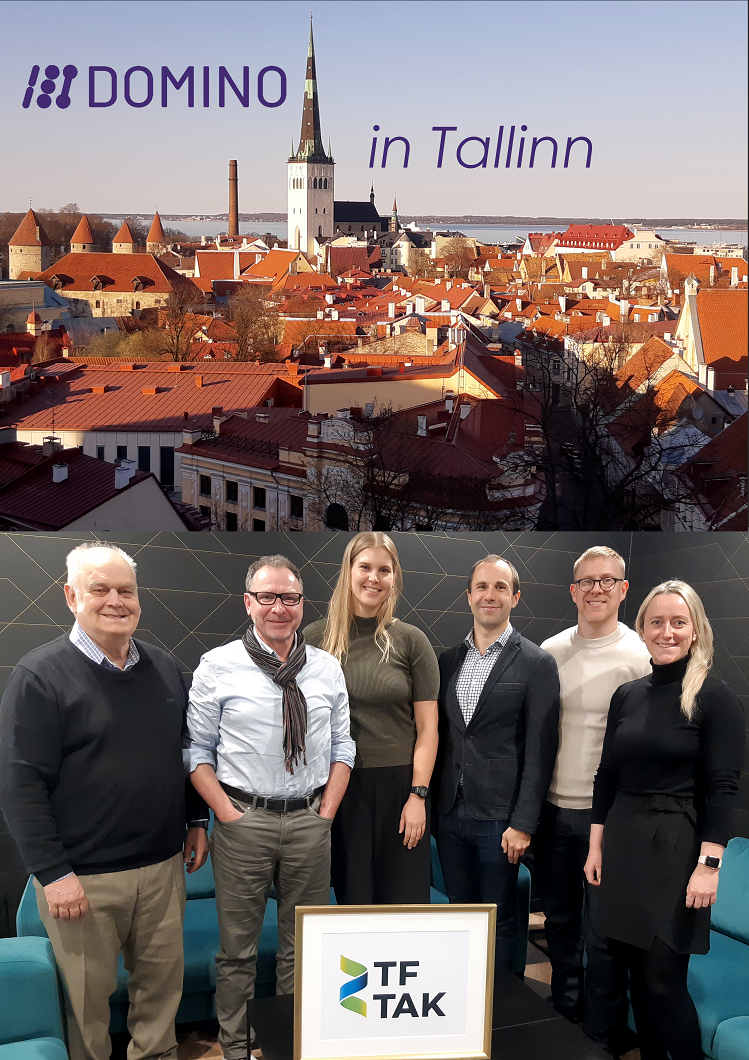
Meeting with TFTAK for DOMINO Project

Representing FME, Stephane was pleased to meet colleagues from Tallinn University of Technology (TFTAK) to discuss about HorizonEU DOMINO project’s development of microbial solutions for vegetable-based fermented foods. The meeting took place during a two-day visit (24-25th of April), where discussions and knowledge-sharing took place to kick-start the work plan for exciting fermented food case studies.

Latest Posts

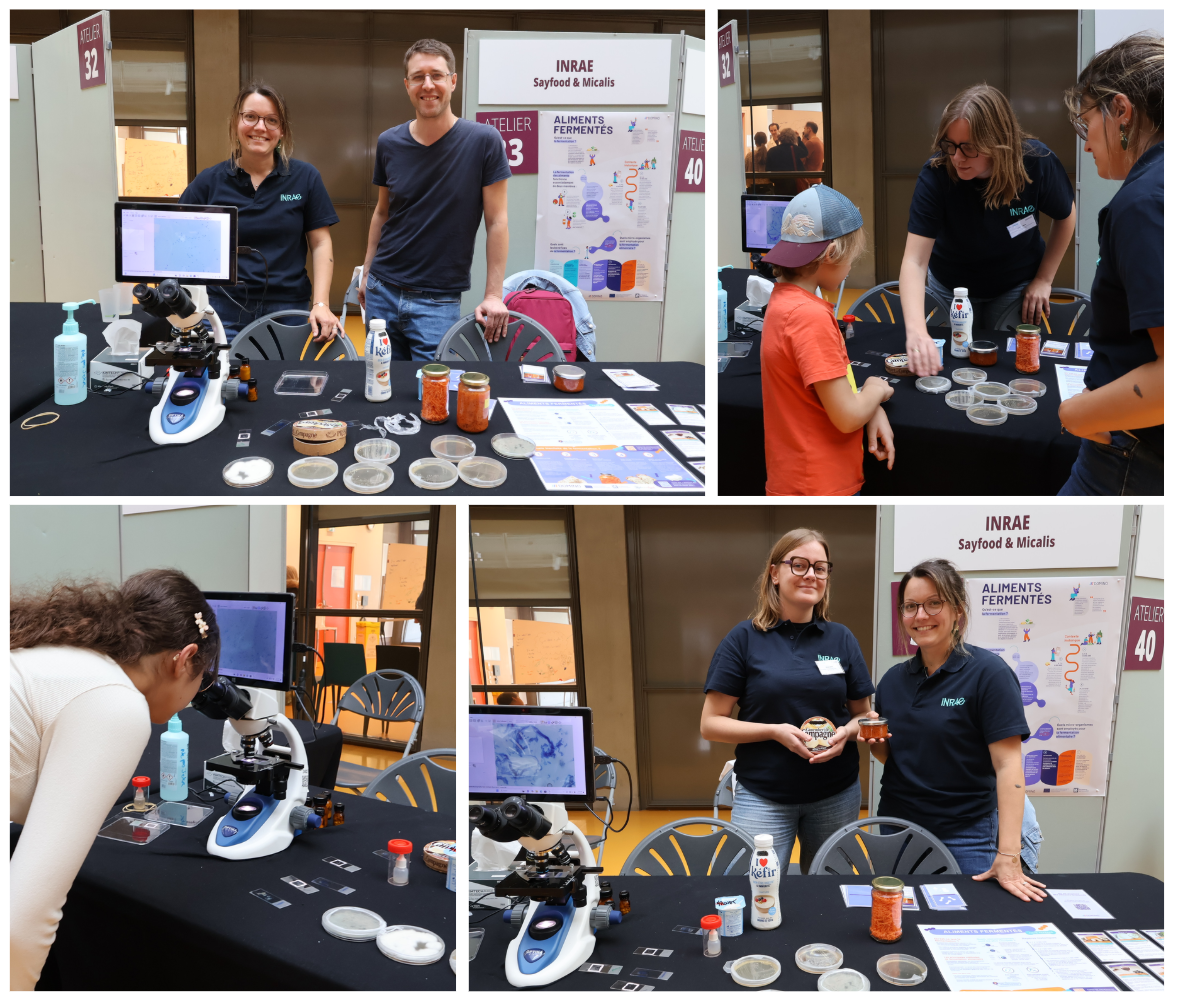
Fermented foods at the Fête de la science Paris-Saclay 2026

On October 3–4, 2026, Stéphane Chaillou and Alice Lima took part in the Village des sciences at ENS Paris-Saclay for the Fête de la science, France’s annual science festival. This year’s theme, “Saveurs savantes”, invited visitors to explore the science behind food and flavour.

From “synthetic” to defined microbial communities for clearer terminology

Stéphane Chaillou participated in a joint reflection with a group of international researchers, coordinated by the Austrian Institute of Technology (AIT), on the terminology used to describe certain microbial communities. The collective of experts proposes replacing the term “synthetic community” (or SynCom), sometimes perceived negatively, with “Defined Microbial Community”.

INRAE Tokyo NODAI Joint Symposium on Fermentation and Food Bioscience

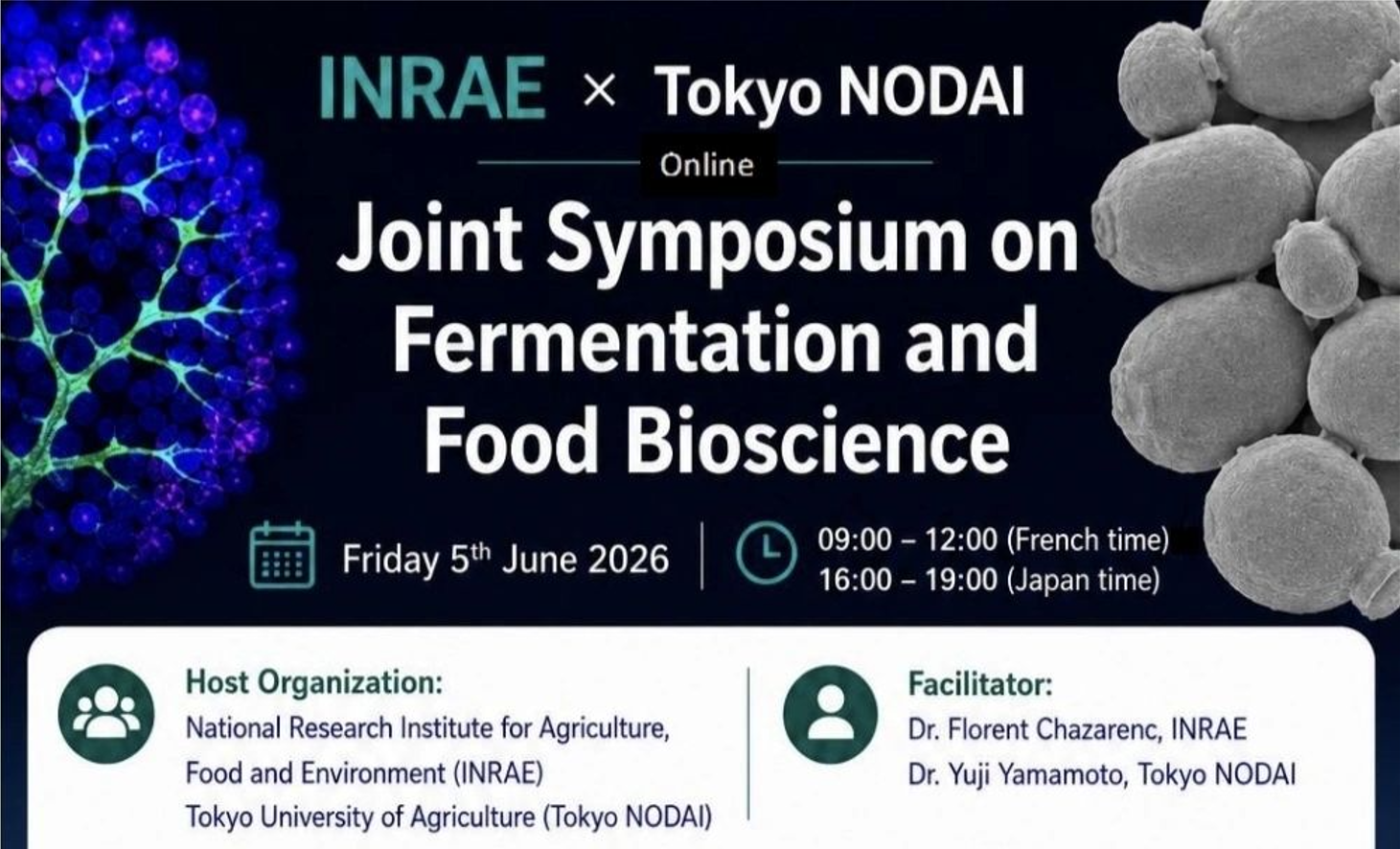
On June 5, 2026, Julien Tap participated in the INRAE-Tokyo NODAI Joint Symposium on Fermentation and Food Bioscience. This online event brought together researchers from INRAE and the Tokyo University of Agriculture to discuss fermentation microbiology, food bioscience, taste, and microbiome-based approaches to health. More than 100 participants attended the symposium, most of them Japanese students, highlighting the strong interest of the next generation in fermentation and microbiome science.